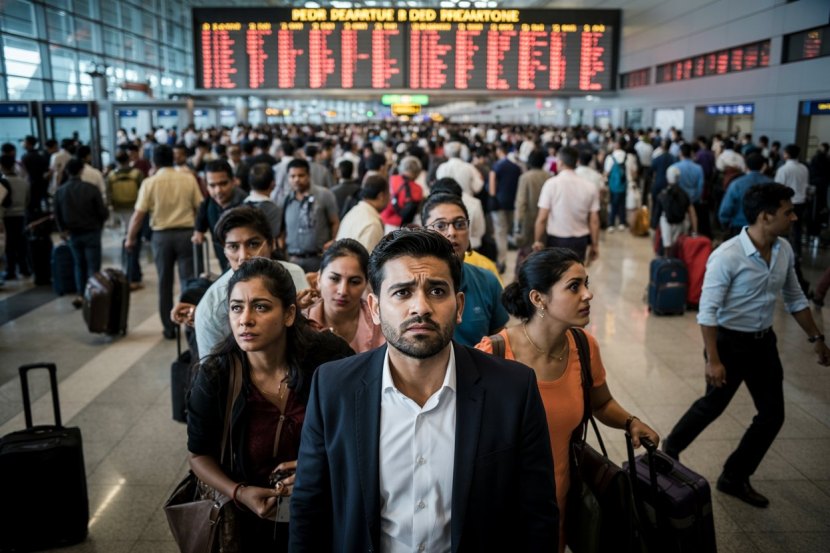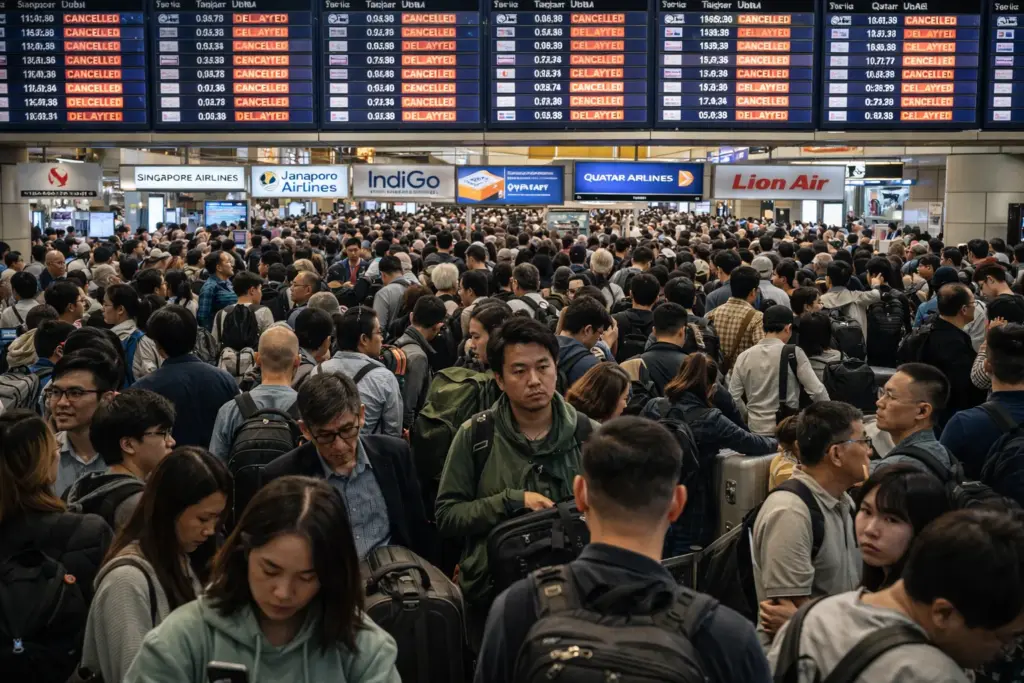
Air travel across several Asian countries has been severely disrupted after a wave of flight cancellations and delays affected thousands of passengers. Major aviation hubs including Singapore, Thailand, Japan, India, China, Indonesia, Qatar, and the United Arab Emirates experienced significant operational problems. Airlines such as Singapore Airlines, Japan Airlines, IndiGo, and Lion Air were forced to suspend or delay multiple flights, creating confusion and frustration for travelers.
Airports in major cities like Dubai, Bangkok, Tokyo, and Shanghai reported large crowds of stranded passengers as travelers waited for updates and alternative travel arrangements.
Hundreds of Flights Cancelled and Thousands Delayed
The disruption spread rapidly across the region, affecting both domestic and international routes. Aviation authorities reported that approximately 774 flights were cancelled while more than 2,146 flights experienced significant delays. The situation escalated early in the day as airlines struggled to manage aircraft schedules and passenger connections.
Several major travel corridors linking Asian cities were affected, causing a chain reaction of delays across airline networks. With travel demand remaining high, many passengers faced long waits and limited rebooking options.
Major Airlines Face Operational Challenges
Some of Asia’s most prominent airlines were heavily impacted by the disruption. Singapore Airlines, Japan Airlines, IndiGo, and Lion Air all reported schedule interruptions on multiple routes.
Japan Airlines experienced extensive cancellations from Tokyo’s Narita and Haneda airports, affecting both regional and international services. IndiGo also reported delays across its Southeast Asian routes, impacting passengers traveling between India and neighboring countries. Meanwhile, Singapore Airlines, which typically maintains strong on-time performance, confirmed delays across several of its long-haul flights.
Passengers Stranded at Busy International Airports
As the disruption intensified, thousands of travelers were left waiting at major airports across Asia and the Middle East. Dubai International Airport saw long queues and growing crowds as passengers attempted to rebook flights or seek assistance from airline representatives.
In Bangkok, passengers were seen waiting for hours at airline service desks after their flights were cancelled or delayed. Travelers heading toward destinations such as Japan, India, and China faced uncertainty as they waited for confirmation of new flight schedules.
Key Factors Behind the Flight Disruptions
A combination of operational and environmental issues contributed to the widespread disruption. Severe weather conditions in several parts of Asia created difficult flying conditions, forcing airlines to cancel or delay flights for safety reasons.
Technical problems with aircraft, maintenance scheduling challenges, and congestion within regional air traffic control systems further complicated the situation. In certain areas, particularly parts of mainland China, storm systems caused temporary airport closures and delays.
Busy aviation hubs like Tokyo and Dubai also experienced air traffic congestion, which slowed takeoffs and landings and added to the overall delays.
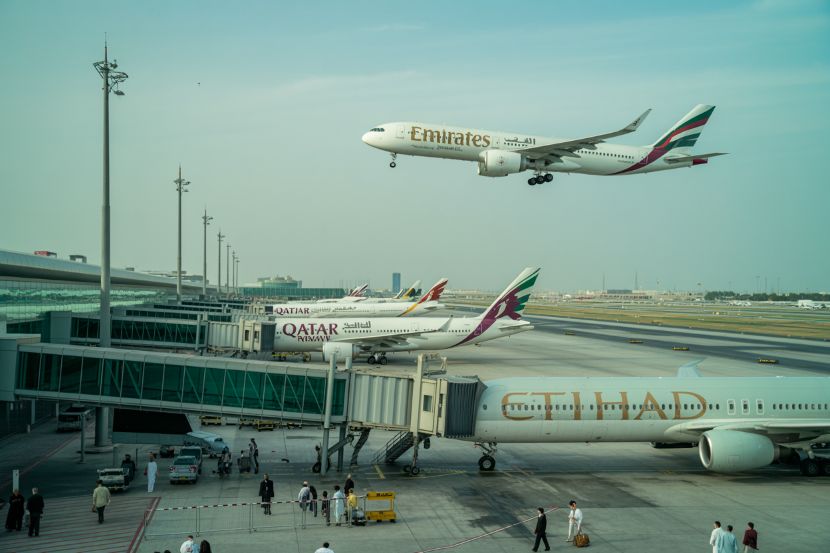
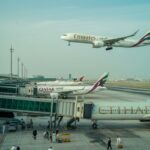 Middle East flights resume gradually as Emirates Etihad and Qatar Airways reopen key travel routes
Travelers Face Unexpected Costs and Delays
For many passengers, the disruption has resulted in more than just delayed travel plans. Travelers have had to make last-minute hotel bookings near airports while waiting for new flights. With large numbers of stranded passengers, nearby accommodations quickly filled up.
Some travelers reported paying higher prices for alternative tickets or changing their travel routes entirely. Airport restaurants, lounges, and waiting areas became crowded as passengers spent extended periods inside terminals while waiting for updates.
Airlines and Airports Attempt to Restore Operations
Airlines and airport authorities have begun working to stabilize flight operations and assist affected passengers. Singapore Airlines announced that it is offering rebooking options on the next available flights for travelers whose journeys were disrupted.
Japan Airlines and Lion Air have also started arranging alternative routes and, in some cases, temporary accommodation for stranded passengers. Airport staff across the region have been working extended hours to manage long lines and provide information to travelers.
However, the scale of the disruption means that many passengers may still face delays in reaching their final destinations.
Advice for Passengers Facing Travel Disruptions
Travelers affected by the ongoing flight delays and cancellations are encouraged to closely monitor their flight status through airline websites or airport information systems. Airlines are advising passengers to check updates frequently and contact customer support for rebooking options.
Passengers should also review their eligibility for compensation or travel support depending on airline policies and local regulations. For future trips, travel experts recommend purchasing travel insurance to reduce financial risks in case of unexpected disruptions.
The Bigger Picture for Asian Air Travel
The recent wave of flight disruptions highlights how vulnerable global aviation networks can be when multiple issues occur simultaneously. Weather events, technical issues, and air traffic congestion can quickly ripple through airline systems, affecting thousands of passengers across different countries.
While airlines are gradually restoring normal operations, the situation demonstrates the importance of flexibility in travel planning. As the aviation industry continues to recover and manage increasing passenger demand, travelers may need to remain prepared for occasional disruptions in flight schedules.