When you first notice extra hair on your pillow or in the shower drain something changes inside you. You stand there with your fingers on your head, trying to remember when your hair started to feel thinner. It makes you feel like you’re in a quiet panic that you can mostly hide from other people. But you can’t hide it from yourself. You might say to yourself that it’s just the weather or stress. You might have changed shampoos recently or tied your hair too tightly. These reasons make me feel safer than saying that something might be wrong.
What Your Hair Is Trying to Tell You
Hair speaks a language all its own. It keeps track of late nights missed meals, rushed showers, tight hairstyles, harsh products, and long weeks of stress. It shows how hormones change, how the seasons change, and how time moves slowly. Before hair loss becomes concerning, the body frequently emits subtle signals indicating the need for rest, sustenance, and gentler treatment. It’s easy to miss these signs in today’s busy lives. We colour, style, and wash our hair too much, which makes it fall out. Many people turn to quick fixes when their hair starts to fall out more. But there is a slower, more helpful way to go: home remedies that work with the body instead of forcing results.
Oiling hair is an old tradition that comes from caring for it. Warming oil between your palms and rubbing it into your scalp does more than just condition your hair; it also helps with circulation and relaxation. Coconut oil protects dry brittle hair and helps keep protein in the hair. People often use small amounts of castor oil, which is thicker, to help keep their scalp moist. Each of these oils—almond, sesame, and olive—has its own benefits. There is no one perfect oil; blends usually work best. Regular oiling and a gentle massage nourish the scalp, strengthen the roots, and give you a break from your busy life.
 Awake Look Hack: Eyebrow Trick Professional Makeup Artists Use to Instantly Refresh the Entire Face
Scalp Massage: The Important Thing That No One Talks About
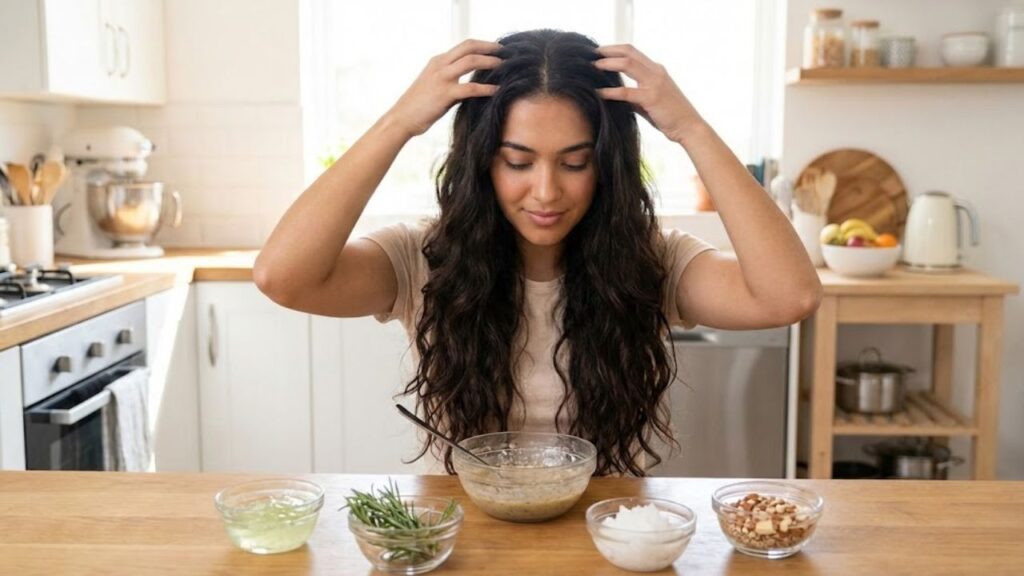
It’s just as important to massage the scalp as it is to use the oil. Moving your fingertips in slow circles helps blood flow, which helps get oxygen and nutrients to hair follicles. This technique wakes up the skin under the hair by starting at the hairline and moving back. A few times a week for five to ten minutes can make a big difference. In addition to being good for your body, scalp massage can also be a sign to slow down. This can help lower tension and stress, which can cause hair to fall out over time.
Natural Infusions and Herbal Oils
People who want to go deeper can infuse oils with herbs at home. Rosemary, curry leaves, hibiscus, and fenugreek are some of the most common ones. When you gently heat these herbs with oil and let them sit, the plant compounds move into the oil. Rosemary is often linked to better circulation, while hibiscus and fenugreek help with conditioning and strength. The process is slow and deliberate, which makes an oil that is unique to you and feels both nourishing and grounding.
The Quiet Power of Kitchen Remedies
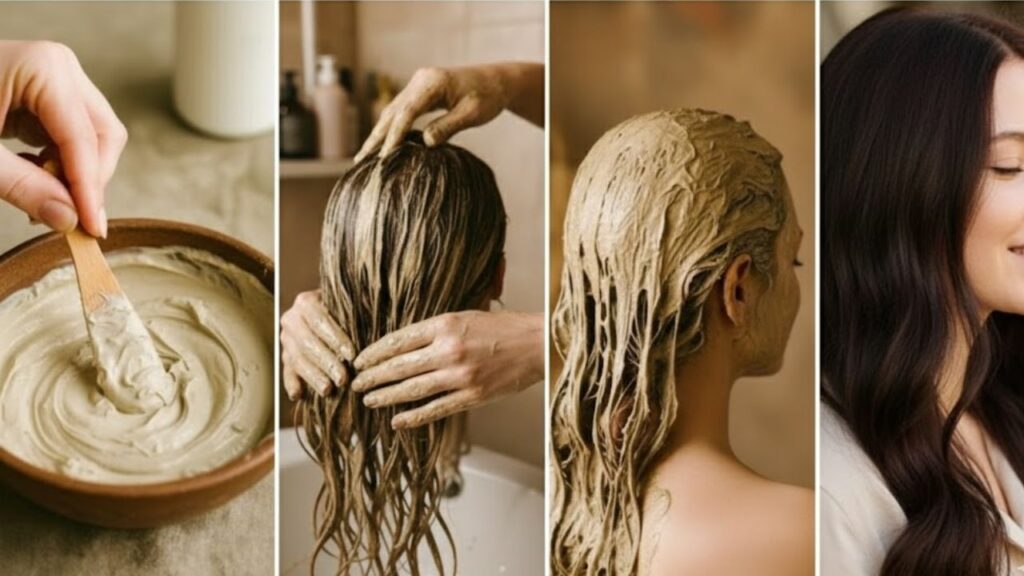
There are already a lot of good hair treatments in the kitchen. Seeds, yoghurt, eggs, and aloe are just a few of the simple things that can help your scalp stay healthy and stop hair from breaking. These treatments might not promise quick results, but they do encourage consistency and being aware. Making them by hand brings hair care back to self care rituals and reminds us that we don’t always need store bought products to stay healthy.
Fenugreek: Small Seeds, Strong Support
Traditionally, fenugreek seeds are soaked overnight and then mixed into a paste that is put on the scalp. Fenugreek is full of proteins and other natural substances that can help hair shed less and feel better. If you use it once or twice a week for a short time, it can make your hair feel thicker and stronger. Like with all natural remedies, it’s important to use them in moderation and pay attention to how sensitive your scalp is.
Aloe Vera: Soothing and cooling the scalp
Aloe vera can help calm down itchy or oily scalps. Its gel helps reduce swelling, balance oil production, and gently get rid of buildup that could block follicles. Aloe directly on the scalp for 20 to 30 minutes helps create a healthier environment for hair to grow. You can also mix it with oils or yoghurt to make it even more nutritious and soothing.
Simple Foods Protein Masks
When hair is exposed to heat or sunlight, it needs protein to stay healthy. Egg and plain yoghurt masks can temporarily strengthen the hair shaft, making it smoother and less likely to break. These masks work best when applied to damp hair and rinsed out with cool water. They give hair extra strength without weighing it down too much.
 6 Easy Yoga Poses That Improve Digestion Naturally and Help Relieve Constipation Without Medication
Food, Stress, and the Deeper Causes of Healthy Hair
The health of your hair shows how healthy you are overall. Nutrient deficiencies, persistent stress, hormonal fluctuations, and inadequate sleep frequently manifest initially as heightened hair shedding or thinning. Topical treatments help the scalp, but it’s just as important to keep the body in balance. Hair needs building blocks that come from diets high in protein, iron, zinc, and healthy fats. Staying hydrated and eating mindfully help your body grow and get stronger over time.
Stress and the Hidden Effect It Has on Hair Loss
When you’re sick or stressed, your hair may not fall out for a while. This is called “delayed hair shedding,” and it happens when your hair goes into a resting phase before falling out months later. Gentle movement, breathing exercises, rest, and less time in front of screens can help the body heal itself. Hair cycles can slowly get back to normal when stress hormones go down.
Daily Habits That Keep Hair Strong
The choices you make every day affect how you care for your hair. Using mild shampoos, not washing your hair too often, and focusing on cleaning your scalp can help keep your hair’s natural oils. Conditioning the lengths makes them less likely to break and rub against each other. Limiting heat styling, picking loose hairstyles, and using smooth pillowcases all help keep fragile strands from getting damaged for no reason.
| Nutrient | Role in Hair Health | Common Daily Food Options |
|---|---|---|
| Protein | Necessary for making keratin, which gives hair its structure and strength. | Pulses, lentils, eggs, fish, paneer, tofu, mixed nuts, and seeds |
| Iron | It helps get oxygen to the roots of your hair, which helps it grow healthily. | Beetroot, spinach, kidney beans, lentils, and pumpkin seeds |
| Vitamins B-Complex and Biotin | Encourage hair follicles to make more energy and new cells. | Almonds, seeds, green leafy vegetables, whole grains, and eggs |
| Fatty Acids Omega-3 | Keep your scalp moist and help reduce inflammation around your hair follicles. | Chia seeds, flaxseeds, walnuts, and oily fish |
| Selenium and zinc | Help repair hair tissue and keep follicles safe from harm. | Seeds, nuts, whole grains, dairy products, and legumes |
Gentle Detangling as a Way to Show You Care
What you do with your hair is important. Using a wide toothed comb to slowly untangle hair from the ends up keeps it from falling out. Adding a little oil or leave-in conditioner makes things less slippery. This easy habit makes grooming a time to be aware, so you can deal with early signs of dryness or weakness before they get worse.
Making a Weekly Rhythm That Lasts
Taking care of your hair doesn’t have to be hard. A simple routine that includes an oil massage a few times a week, a nourishing mask once a week, gentle handling every day, balanced meals, and regular stress relief can be both easy to follow and helpful. Results often show up slowly over the course of a few months, such as less shedding, better texture, and new growth. These changes show that your hair is healthier and that your body feels safe and supported enough to grow again.
Making the bond with your body stronger
Home remedies aren’t quick fixes. They teach you to be patient, listen, and change. It’s important to watch what works for one person because it might not work for another. Using familiar ingredients and gentle rituals to take care of hair helps the body trust you. In the end, these habits help more than just hair; they help you have a deeper kinder relationship with yourself, from root to tip.