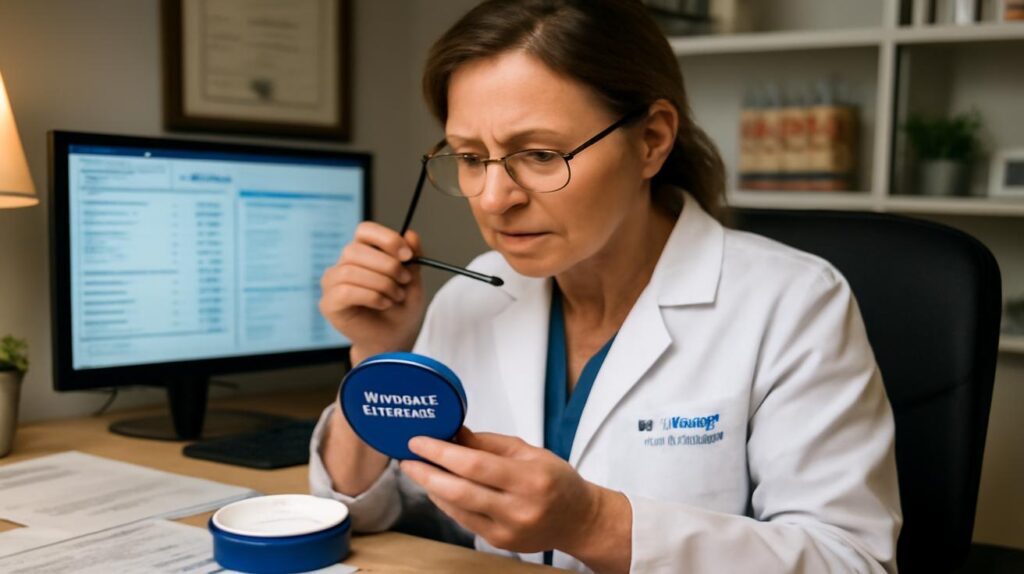
The tin felt like a stone you might find on a winter beach. It was cool, perfectly round, and the light caught the unmistakable Nivea blue. You might have seen it in your grandmother’s bathroom cabinet, your mother’s purse, or a first-aid kit that smells like baby powder and bandages. Nivea Creme has been more of a character in family stories than a product for a long time. “Your great-grandmother used this every night.” “We put it on your cheeks when it snowed.” I’m a dermatologist, so my world is usually full of clinical trials, ingredient indexes, and peer-reviewed papers. But I’m also a person, and people have memories. And this little blue tin is full of them.
The First Dip: A Touch, a Smell, and a Lot of Memories
When I finally decided to look at Nivea Creme again, not because it reminded me of the past but because I was curious as a professional, I did what anyone would do: I opened it. The lid made a soft metallic pop, and the smell came up—powdery, a little flowery, and a little soapy and baby lotion. It smells like something that stays with you. I could already hear the arguments in my head before I even looked at the formula: some people love this scent because it reminds them of their childhood, while others think it’s too strong or old-fashioned.
I put my finger on the cream. Thick. Heavy. No casual sliding or slipping here. It sat on my skin like a small mound, opaque and sure of itself, and it took its time before agreeing to melt. This isn’t one of the new-generation featherlight gels that promise to be “barely there.” This is a cream that says, “You will notice me.” That’s when my dermatologist brain really kicked in. The heaviness and unique texture tell a story about what’s inside, how the formula is made, and the skin it’s meant to serve.

The Formula Under the Microscope
I did what dermatologists do best: I turned the tin upside down, squinted at the list of ingredients, and then took out the full cosmetic dossier. We call Nivea Creme an oil-in-water emulsion, but it acts more like a very stubborn oil hug wrapped in a thin layer of water. The main ingredients are mineral oil, petrolatum, microcrystalline wax, glycerin, some fatty alcohols, and that signature scent. They are all pretty old-school.
Here’s a simpler look at some of the main players and what they really do for your skin:
| Part of the formula | What it does for your skin |
|---|---|
| Petrolatum | is an occlusive agent that protects dry or chapped skin by forming a barrier and locking in moisture. |
| Mineral Oil | Emollient and occlusive; softens the surface of the skin, keeps water in, and gives that “slip.” |
| Glycerin | A humectant that pulls water into the outer layers of skin and helps keep it hydrated. |
| Lanolin Alcohol | Emulsifier and emollient; helps water and oil mix, adds richness; can be irritating for some people. |
| Microcrystalline Wax | Texture builder; gives a thick, dense feel and strengthens the barrier effect. |
| Fragrance | signature scent; it smells good, but it could irritate sensitive or damaged skin. |
As a dermatologist, reading this list is like opening an old recipe book from your great-aunt. There are no cutting-edge ingredients, just simple, recognisable pantry staples. The design is clearly meant to keep moisture in and the outside world out. There are no trendy actives in this product, like retinol, niacinamide, ceramides, or peptides. Nivea Creme doesn’t try to fix uneven skin tone, smooth out rough skin, or boost collagen. It offers something almost more basic: safety.
The Science Behind “Heavy”
Let’s talk about that heaviness, because this is where people either fall in love or swear to never see each other again. Petrolatum and mineral oil are two of the best occlusives we have in dermatology. After a procedure, for burns, or for hands that are very dry and cracked, we recommend ointments that contain petrolatum. They make a film on the skin that is only partially open, which slows down water evaporation and lets your skin’s own barrier heal in peace.
In theory, that sounds like a win-win situation. In real life, it all depends on the situation. This feels like relief in slow motion on skin that is very dry and chapped by the wind: the sting goes away and the tightness goes away. That same film can feel like it’s choking on skin that is naturally oily or prone to acne. Petrolatum itself doesn’t cause acne in the traditional sense because it doesn’t get into the pore and block it. However, heavy occlusives on top of pores that are already having trouble can trap sweat, sebum, and dirt on the surface. That doesn’t directly cause acne, but it can make an already bad situation worse.
Nivea works best in the winter, on knuckles, and on quiet nights.
When does this old-fashioned recipe turn into a small miracle? Imagine a February morning with a strong wind, the heat on full blast, and your skin feeling a size too small. This is the time of year for Nivea Creme. I see it work best for:
- Areas that are very dry. Think about your elbows, knees, heels, cuticles, and hands being washed a hundred times a day. When the skin barrier’s natural lipids are gone, a thick occlusive layer is less of a luxury and more of a bandage. I have seen cracked knuckles get softer overnight when they were covered with a thin layer of this cream and a pair of cotton gloves.
- Face protection in cold weather. A very thin layer of Nivea Creme over your regular moisturiser can help protect your skin from the cold, prickly air if you have normal to dry skin. I told parents to put it on their kids before they went skiing or sledding. It acts like invisible armour on their cheeks to protect them from windburn.
- Support after irritation (with some caveats). I said “support,” not “treatment.” That occlusive film can help the skin get back to its normal water balance after a retinoid-related flare, too much exfoliation, or a long flight in dry cabin air. But here’s the catch: if your skin barrier is really broken—if it’s raw, burning, or has eczema—the fragrance and lanolin alcohol in the formula can hurt or even cause irritation.
The Emotional Burden of a Blue Tin
What interests me as much as the formula is how it makes people feel. When my patients see that tin in my office, they get excited and say things like, “My grandmother used that; her skin was amazing.” There is a certain comfort in using something that feels tried and true and hasn’t followed every trend. At its best, skin care isn’t just about chemicals; it’s also about rituals, memories, and even inheritance.
When a product like Nivea Creme is passed down from generation to generation, it becomes more than just a mix of petrolatum and glycerin. It becomes a nightly routine: a clean face, a small dot warmed between your fingers, and that unique smell settling in as the day gets less busy. It’s not just what you put on your skin; it’s also whether you can keep up with and enjoy the routine. For a lot of people, this blue tin makes it easier to keep up with the ritual.
Where It Struggles: Modern Skin and Modern Issues
Now, let me stop being nostalgic and get back to my clinic. People often ask me, “Is this really good for my skin, or are we just being sentimental?”My honest answer is that it depends on who you are and what your skin needs.
Nivea Creme is not usually my first choice for the face if you have oily or acne-prone skin, especially if you live in a humid area. It’s just a little too thick for what you probably need. A lighter moisturiser that doesn’t clog pores and has humectants and possibly calming ingredients like panthenol or allantoin will work better for you and feel less like wearing a blanket in July.
The scent and lanolin alcohol can be a problem for people with sensitive or reactive skin. Some people don’t mind them, but when people who are sensitive do react, they tend to do so loudly, with redness, itching, or a burning feeling that creeps up on them. Before putting it all over your face, it’s a good idea to do a patch test on a small area, like behind your ear or on the side of your neck.
Nivea Creme is not the magic potion you need if you want to look younger or brighter. It helps the skin’s barrier function by keeping water in, and skin that is plumper and more hydrated often looks smoother and more radiant. But it doesn’t directly deal with wrinkles, pigmentation, or the loss of collagen. To deal with those problems, you would need other products, such as vitamin C, retinoids, and sunscreen.
Is mineral oil the bad guy?
The internet picks mineral oil and petrolatum as the bad guys every few years. I read research for a living, so I can tell you that cosmetic-grade mineral oil and petrolatum are very pure and have always been shown to be safe. They don’t “toxify” the body or make it “dirty,” and they are used a lot in medical ointments, even for newborns and people with burns.
Are they “natural” in a romantic way? No. Some people don’t like them because they come from oil. Do they work as moisturisers? Yes, without a doubt. My biggest worry about Nivea Creme isn’t the safety of its occlusives; it’s how heavy and scented it is on skin that is already sensitive.
How I Really Use It as a Dermatologist
Here is what everyone wants to know: do I, as a dermatologist, use Nivea Creme and recommend it?
Yes, but not for everything and not for everyone.
The blue tin is on a middle shelf in my bathroom. I don’t use it every day. But in the winter, when my hands start to crack from washing them all the time, I put on a thin layer at night and then put on thin cotton gloves. In the morning, my hands don’t look as much like sandpaper and more like they belong to someone who doesn’t work in medicine.
When my patients need targeted, low-cost occlusion, I recommend Nivea Creme:
- As a night mask for your hands or feet, especially if you wear cotton socks or gloves on top
- When lighter creams don’t help and just disappear into the skin on dry shins or elbows
- For people who don’t have very sensitive or acne-prone skin, this is a good way to protect your cheeks from the cold.
- To “seal in” a lighter hydrating serum at night, put a pea-sized amount on dry or combination skin.
I don’t usually recommend using Nivea Creme as a daily moisturiser for the whole face for people with normal skin who live in a temperate or humid climate. You can wear a parka inside, but do you really need to?
 Driver’s license changes bring good news for motorists including older drivers and licence holders
Finding Your Own Balance With the Blue Tin
It’s rare for skin care to be about absolutes. For one person, the same product could be a lifesaver, but for another, it could be a disaster. For example, Nivea Creme is a great example. For some, it’s a warm, safe place that makes them feel better. For some, it’s a sticky, pore-sitting film that feels like too much of a good thing.
If you’re curious, my advice is to think of it as a powerful tool, not a toy. Begin small. You can use it on your hands, heels, or that annoying dry spot on your ankle. Check on your skin after a week or two. You’ve found a friend if your skin sighs in relief. If it complains—breakouts, redness, itch—listen to it and back off.
My Honest Opinion: An Old Classic in a New World
If I take away the memories, the nostalgia, and the smell that reminds half the world of their grandmother, all that’s left is this: Nivea Creme is a strong, old-school occlusive moisturiser. It’s not complicated, it doesn’t do more than one thing at a time like modern things do, and it doesn’t try to be weightless or invisible. But it does what it says it does: it sits on the skin, keeps water in, and protects against the outside world.
In a world full of serums that promise to change your life overnight, it’s nice to know that a cream doesn’t make those kinds of promises. It doesn’t try to be everything. It’s just really good at being thick, safe, and not too expensive. That can be worth a lot more than the newest viral ingredient for skin that is dry and not sensitive, especially in harsh climates.
So, should you use it? If your skin is dry, you want that old-fashioned cream feel, your hands or heels need help, or winter has turned your face into parchment, use it. If your skin is oily, prone to breakouts, or very sensitive to scents, you should skip it or only use it a little.
As a dermatologist, I can honestly say that the blue tin is neither a miracle nor a threat. It’s a tool that is strong and has been around for a long time. It should be in a lot of people’s toolkits, but not in every routine. Use it on purpose, knowing what your skin needs, and it can still be on a very modern shelf.
Frequently Asked Questions
Is it safe to use Nivea Creme on skin that is prone to acne?
Nivea Creme isn’t comedogenic by itself, but its thick, heavy texture can feel too rich for skin that is prone to acne or is very oily. If you use it all over your face, it might make surface congestion worse. If you have acne, only use it on small dry areas or your hands and body. Don’t use it as your main facial moisturiser.
Is it okay to put Nivea Creme on my face every day?
You can put a thin layer on your face if your skin is normal to very dry and not sensitive. This is especially true at night or when it’s cold. If you have combination or oily skin, using it all over your face every day is usually too much and can feel heavy or uncomfortable.
Is the scent in Nivea Creme bad for you?
Most people can use the scent without any problems, but people with sensitive, reactive, or eczema-prone skin may find it irritating. If you know you have a reaction to scented products, do a patch test on a small area of skin before using Nivea Creme all over.
Does Nivea Creme help with ageing?
Yes, but not in the way that most people think. It doesn’t have any classic anti-aging ingredients like retinoids or antioxidants. The main benefit is that it strengthens the skin barrier by keeping water in. Skin that is well-hydrated often looks smoother and fuller, which can make fine lines look less noticeable, but it won’t replace treatments that are specifically designed to fight ageing.
Is it okay to put Nivea Creme around my eyes?
Yes, but be careful. The skin around the eyes is thin and sensitive, and the smell of Nivea Creme may make some people feel stinging or irritated. If you do try it, only use a small amount and don’t put it on your lashes. If your eyes are burning, watering, or turning red, rinse it off and use an eye cream that doesn’t have a scent and is made for that sensitive area.
Is it safe for kids to use Nivea Creme?
Older kids usually do fine with small amounts on their dry hands, knees, or elbows if their skin is healthy. But since it smells good, I don’t usually suggest it for babies, toddlers, or kids with eczema or very sensitive skin. They should use creams or ointments that are safe for kids and don’t have any scent.
What makes Nivea Creme different from lighter lotions?
Lighter lotions usually have more water and fewer heavy occlusives. They soak in quickly and don’t feel heavy, but they might not be strong enough to protect very dry or damaged skin. Nivea Creme is thicker, more occlusive, and takes longer to sink in. This makes it better for very dry skin, cold weather, or targeted repair on hands, feet, and rough patches.