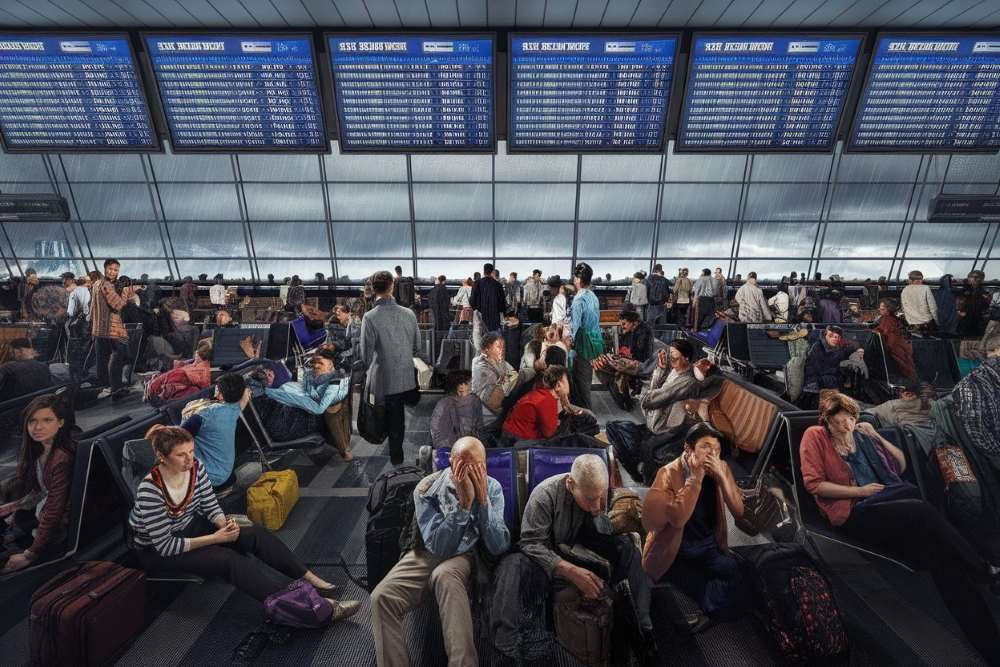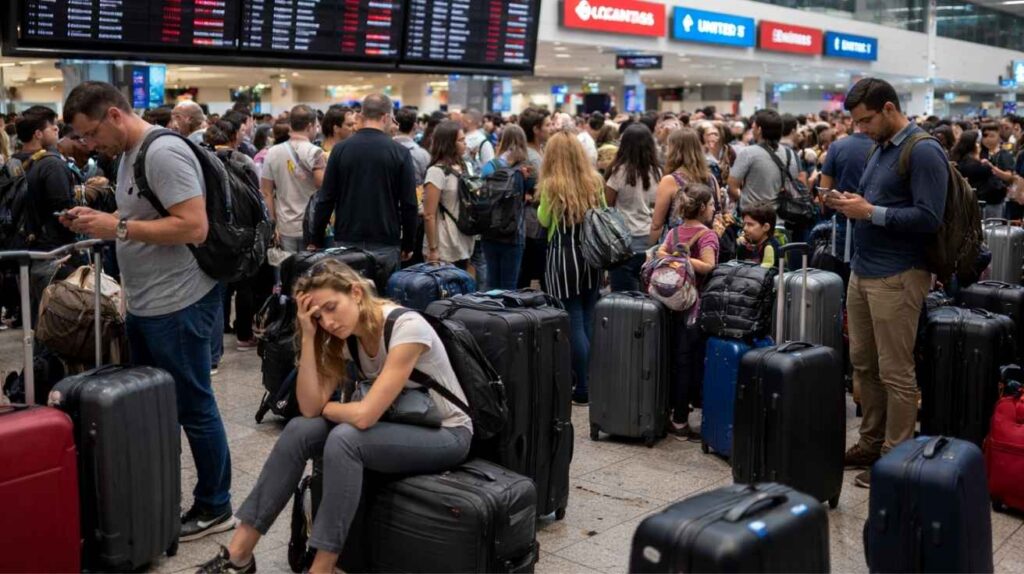
On March 7, 2026, major airports in Australia had never-before-seen problems that left hundreds of people stuck in Sydney, Melbourne, Brisbane, and Perth airports across the country. The chaos had a big effect on some of the world’s biggest airlines, like Qantas Emirates, and United Airlines. There were 314 delayed flights and 47 canceled flights. These delays had effects that went beyond Australia, causing major problems for international flights to places like Los Angeles, Abu Dhabi, Dubai and London.
Big airports are having a lot of problems.
Sydney, Melbourne, Brisbane, and Perth airports were the worst affected by this aviation disaster. People who flew into Sydney Airport had a frustrating day because 116 flights were delayed and 13 were canceled. The effects were felt on both domestic and international routes, even on long-haul flights to Dubai, Doha, and Melbourne city routes. Melbourne Tullamarine Airport also had 95 delays and 19 cancellations mostly because of bad weather and problems with air traffic control.
People at Brisbane and Perth airports were also stuck because of the same problems. As a result there was a huge backlog of flights, and passengers were left scrambling to find new flights and not knowing what to do next after delays. International flights to cities like Los Angeles, Abu Dhabi, and London also had ripple effects, making things even more chaotic at major transit hubs.
The disruptions hit airlines hard.
Several airlines were hit hard by the problems, but Qantas United Emirates, and Qatar Airways had the most cancellations and delays. For instance Qantas had to cancel two flights and delay 27 others, which had a big effect on both domestic flights and long-haul international flights to Los Angeles and Dubai.
Another major airline, United Airlines had to cancel one flight and delay 13 others, which messed up connections between Brisbane, Sydney, and Los Angeles.
Emirates, which is known for its many flights between Australia and the Middle East, was also hit hard. Emirates didn’t cancel any flights but 13 of them were delayed which caused problems for their long-haul flights to Dubai, Perth, and Sydney airports. Qatar Airways and Singapore Airlines also had delays like this which left passengers in the dark while they waited for news about their rebooking options.
Effect on Connections Between International Flights
The delays and cancellations didn’t just affect travel within the country only. Passengers going to major cities around the world, like Los Angeles Abu Dhabi, Dubai, and London were also stuck. Travelers had to wait for news about their connections because it was unclear how Australia would connect to these major cities around the world. Long-haul flights to London Los Angeles, and Dubai were severely affected, leaving passengers angry and tired after waiting for hours.
Qatar Airways’ QTR909 flight from Sydney to Hamad International Airport in Doha was one of the most important flights that were affected during delays. Passengers at Sydney Airport had to wait a long time for this flight, which was supposed to leave at 9:40 PM AEDT It was delayed by several hours that night. Emirates flight UAE417 from Sydney to Dubai also had long delays which made it even harder for people to connect with other flights later.
The airline’s response and efforts to deal with the chaos
Airlines worked hard to help and support passengers in response to the widespread disruption. To help with rebooking and customer service, a lot of airlines hired more people at the airports. But because so many passengers were affected, a lot of them had to wait hours or even days to get new flights booked.
Qantas, Emirates, and other affected airlines used social media to keep passengers up to date and told them to check the status of their flights often. Things were still changing at the airports, and staff were working hard to handle rebooking requests and give real-time updates to passengers. Even though they tried their best, passengers were still very unsure about when they would be able to board their flights.

What the government and airport authority did
The Australian government and airport authorities worked with airlines to speed up the rebooking process and give real-time updates on flight statuses across airports. More resources were given to help passengers at the busiest airports and steps were taken to make sure that the flow of passengers went as smoothly as possible during disruptions.
The Australian Civil Aviation Safety Authority CASA quickly took care of the problems with air traffic control that caused the delays. The Australian Transport Safety Bureau ATSB started an investigation to find out what caused the problems in the meantime They were looking at the weather problems with air traffic control, and technical failures as possible causes.
Long-Term Solutions to Stop Future Problems
While the immediate problem was being dealt with, experts started to think about how to stop problems of this size from happening again later. While investigations into the causes of the chaos are still going on, the focus has shifted to finding long-term ways to improve Australia’s aviation infrastructure.
One big worry is that airlines, airport authorities, and passengers need to be able to talk to each other better. Passengers could have made better choices about what to do next if they had been given clearer information about delays and cancellations. Experts also said that airports and airlines should spend money on better systems and infrastructure so they can handle big problems better in future.
Authorities also need to get ready for more people wanting to travel in the future, especially during busy times. With more people flying internationally, it’s important for airports and airlines to make plans for what to do if flights are delayed or canceled in the future again.
Conclusion: Getting better and moving forward
As Australia’s aviation system works to get back on track after these problems, the main goal will be to restore passenger trust and make sure that the right systems are in place to deal with future problems. The problems at the airports in Sydney, Melbourne, Brisbane and Perth were a reminder of how weak the aviation industry is and how important it is to have strong systems in place to deal with problems.
People who were affected by the delays and cancellations can only hope that what happened will help make travel more efficient and reliable in the future. The Australian aviation industry is working to make sure that these kinds of problems don’t happen again in the future with help from ongoing investigations and work by the government and airport authorities.