As fuel costs continue climbing across Australia, the traditional caravan lifestyle is undergoing a noticeable transformation. What was once primarily a travel-focused way of life is increasingly becoming a stationary living arrangement. With higher costs at the fuel pump, many Australians are reconsidering how often they move their caravans, choosing instead to stay longer in one place and turning their mobile homes into practical long-term living spaces.
Rising Fuel Costs Are Reshaping Caravan Travel
The recent surge in fuel prices, along with supply concerns in certain regions, is significantly influencing how Australians approach caravan travel. Ongoing geopolitical tensions affecting global fuel markets have placed additional pressure on supplies, making it more expensive for caravan owners to travel long distances.
In early March, petrol prices in major Australian cities moved past $2.10 per litre, while diesel prices climbed to roughly $2.37 per litre. Energy analysts warn that in some regions prices could edge closer to $3 per litre if volatility continues. For caravan travellers who rely heavily on fuel to move between destinations, these rising costs are forcing major adjustments to travel habits.
 Personal Trainer Shares Three Powerful Exercises That Improve Posture And Reduce Everyday Back Pain
Caravans Transitioning From Getaways To Long-Term Homes
Australia has more than 900,000 registered caravans, reflecting the country’s strong road-travel culture. Traditionally these vehicles were used for holidays and seasonal trips. However, growing living costs are changing that pattern, with many owners now using their caravans as longer-term accommodation.
Housing affordability challenges have become particularly severe in regional parts of the country. Rental costs have surged while property prices continue to rise, making it difficult for many Australians to secure affordable housing. As a result, some caravan owners are treating their vans as permanent residences rather than occasional travel vehicles.
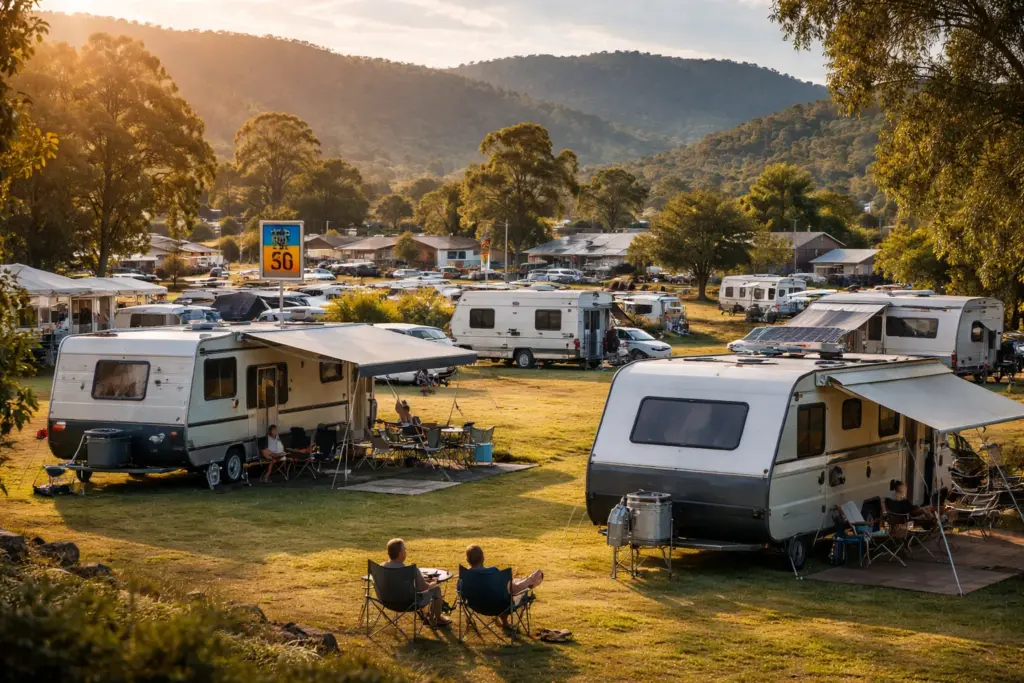
Instead of constant travel, many caravan dwellers are now staying in the same location for weeks or even months, often settling in regional showgrounds, caravan parks, or campgrounds where basic facilities are available.
Regional Towns Becoming Temporary Caravan Communities
Rather than continuing to drive across the country, a growing number of caravan travellers are choosing to remain in smaller towns and affordable camping areas. Showgrounds and community campsites have become popular places to park for extended periods, offering access to electricity, water, and other essential services.
Some travellers have shared their experiences online, explaining that staying in one place temporarily allows them to reduce fuel expenses while waiting for prices to stabilise. Instead of rushing from destination to destination, many are adopting a slower pace of travel.
This trend is also bringing economic activity to regional communities. Small towns that once relied on short-term tourism stops are now seeing caravan visitors remain for extended periods, spending money at local cafés, supermarkets, hardware stores, and service stations.
Housing Pressures Driving The Shift Toward Caravan Living
Alongside rising fuel prices, Australia’s housing affordability crisis is playing a major role in this lifestyle shift. As both rental prices and property values continue to increase, more Australians are looking for alternative ways to secure affordable shelter.
For some individuals and families, caravans have become a practical housing solution rather than simply a travel vehicle. Living in a caravan can significantly reduce accommodation costs, particularly when compared with renting in major cities or high-demand coastal regions.
However, this shift has not been without challenges. In some areas, especially along the Gold Coast, tensions have developed as caravan owners remain parked in public areas for extended periods, sometimes exceeding local regulations.
Communities Respond To Long-Term Caravan Parking
The growing presence of stationary caravans has created mixed reactions among residents and local authorities. In many smaller towns, caravan dwellers contribute positively to the local economy by supporting businesses and services.
Restaurants, bakeries, pubs, and small retailers often benefit from the increased number of visitors staying for longer durations. This type of long-term tourism can provide a steady source of income for regional businesses.

At the same time, some councils have begun enforcing regulations regarding overnight camping in public areas. In locations such as Currumbin Creek on the Gold Coast, authorities have issued fines to individuals found sleeping in vehicles or caravans where overnight stays are restricted.
Despite these enforcement measures, many caravan owners continue to adopt a “park and stay” strategy as a temporary response to rising living costs and uncertain fuel prices.
Freedom For Some, Necessity For Others
For some caravan travellers, remaining stationary for longer periods still represents freedom and flexibility. They value the ability to relocate whenever necessary without being tied to expensive housing markets.
The option to live in a caravan allows individuals to maintain mobility while controlling living expenses, which is appealing during times of economic uncertainty.
However, for others the shift toward full-time caravan living reflects limited housing choices rather than personal preference. With rental costs increasing rapidly and home ownership becoming more difficult, many people are turning to caravans simply because they offer a more affordable place to live.
What once symbolised adventure and exploration is increasingly becoming a practical response to financial pressure.
Fuel Market Uncertainty Continues
Fuel price instability continues to create uncertainty for caravan travellers across Australia. Until energy markets stabilise, many owners are likely to keep adjusting their travel plans and reducing long-distance trips.
Some caravaners may continue staying longer in regional locations, while others will carefully plan routes and travel schedules to minimise fuel usage.
Regardless of how fuel prices evolve, the popularity of caravan living as a housing alternative appears to be growing steadily.
Caravan Living Reflects A Changing Housing Landscape
Australia’s caravan community is adapting to both rising fuel prices and the ongoing housing affordability crisis. These pressures have reshaped how caravans are used, turning many from recreational vehicles into practical long-term homes.
The concept of living full-time in a caravan is no longer unusual. For some Australians it offers freedom and independence, while for others it provides a necessary solution to rising housing costs.
Either way, caravans are becoming an increasingly important part of Australia’s changing housing landscape, demonstrating how people are adapting to economic challenges and redefining what “home” can look like.