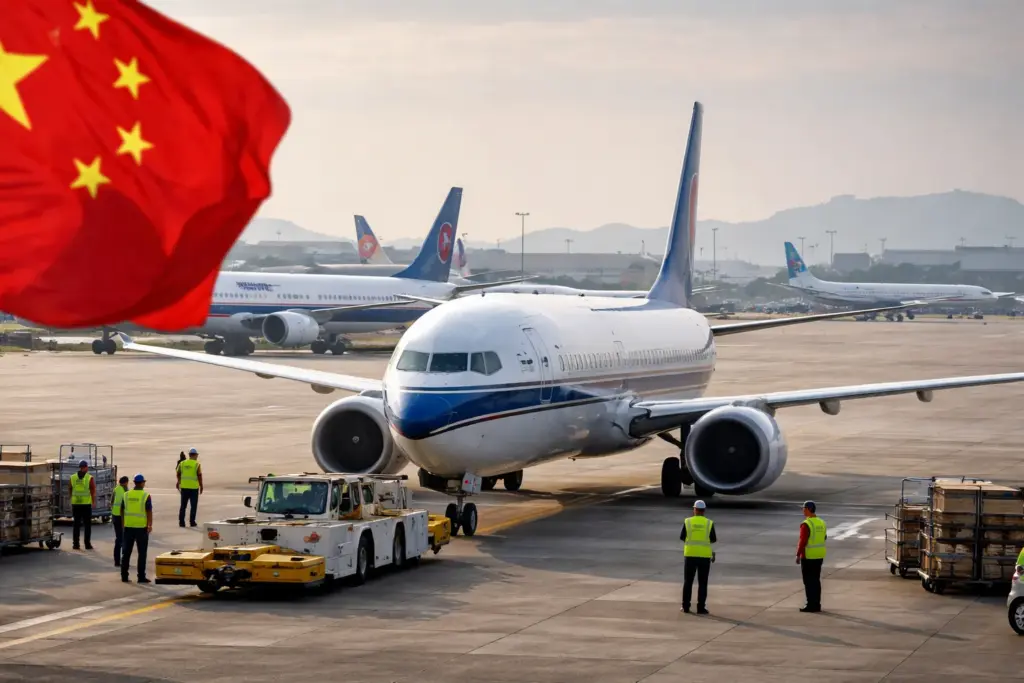
As Boeing jets begin flying across China’s skies once again, the return of previously grounded aircraft marks an important shift in the complicated relationship between Chinese airlines and the American manufacturer. This development, however, is not just about aviation operations restarting. It also brings financial disagreements and diplomatic tension, as both sides attempt to determine who should absorb the massive losses caused by years of aircraft grounding. With billions of dollars involved, the future of these negotiations could have lasting effects on airlines, manufacturers, and passengers worldwide.
The Return of Boeing Aircraft to China
For several years, Chinese carriers kept their Boeing fleets grounded due to safety concerns related to the 737 MAX program. That period significantly disrupted airline operations and strained relations between Boeing and Chinese aviation authorities. Now, as restrictions ease and aircraft begin returning to service, the situation represents more than a technical restart.
The gradual movement of aircraft back to operational fleets symbolizes a broader shift in the relationship between Boeing and Chinese airlines. While some aircraft are being reintroduced to active service, others are being transferred back to the United States for reassessment, maintenance, or reassignment.
For both Boeing and Chinese carriers, the process is complex. Airlines must restore operations and rebuild customer confidence, while Boeing must continue repairing its global reputation after the crisis that triggered the grounding.
The Financial Dispute Behind the Grounding
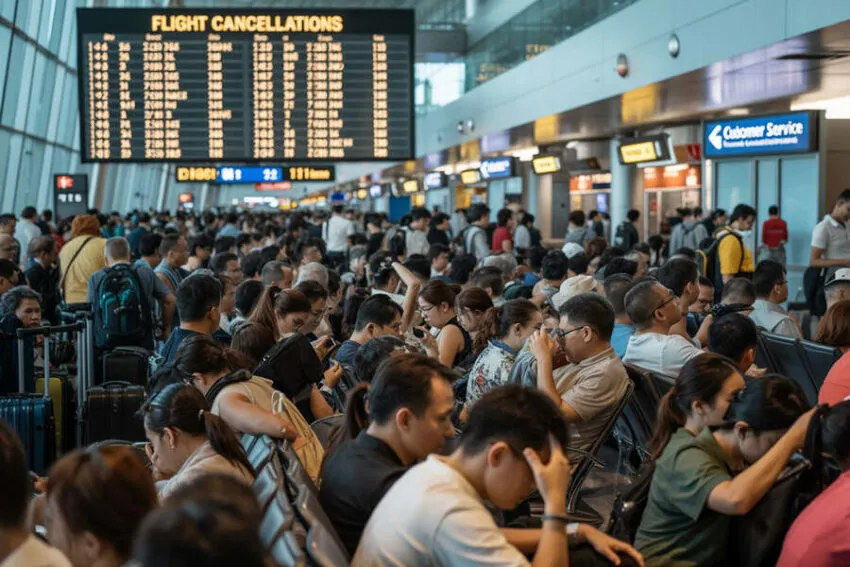
The grounding of Boeing 737 MAX aircraft caused enormous financial damage for airlines around the world. Chinese airlines were among the carriers that faced heavy operational disruptions, including flight cancellations, reduced capacity, and long-term financial losses.
As airlines begin reintegrating these aircraft into their fleets, the major issue now revolves around compensation. Airlines argue that Boeing should compensate them for the years of disruption caused by the grounding.
Boeing, however, faces its own financial challenges after the crisis and remains cautious about accepting large compensation demands that could significantly affect its finances.
The situation has become legally complex, involving arbitration cases, negotiations, and legal disputes between airlines and the manufacturer. Determining who ultimately absorbs the financial burden remains uncertain.
Rebuilding Confidence in Air Travel
One of the most lasting consequences of the 737 MAX crisis has been the loss of passenger trust. Many travelers became hesitant about flying on Boeing aircraft after the incidents that led to the global grounding.
Rebuilding that confidence has become a major priority for the aviation industry. Airlines, regulators, and Boeing are now working together to demonstrate that safety standards have been strengthened.
This includes enhanced safety inspections, updated software systems, and stricter regulatory oversight. Clear communication with passengers and transparency about safety improvements are also considered essential steps in restoring public confidence.
At the diplomatic level, the crisis also strained relations between Boeing and Chinese regulators. Moving forward, cooperation between governments, airlines, and manufacturers will be crucial in stabilizing the aviation market.
The Future of the Returned Aircraft
Another key question involves the long-term fate of the returned aircraft. Some planes will be restored to full service with airlines in the United States and other international markets. Others may remain in storage until airlines determine whether they fit future fleet plans.
Before returning to service, these aircraft require thorough inspections, maintenance work, and potential system upgrades. These steps add further cost to an already expensive crisis.
Some aircraft could also be sold to other operators or leased in different markets, depending on airline demand and market conditions.
| Possible Aircraft Outcomes | Description |
|---|---|
| Return to Airline Service | Aircraft reintroduced into active fleets after maintenance and safety checks |
| Temporary Storage | Planes held in storage until airlines determine future demand |
| Resale to Other Markets | Aircraft sold or leased to airlines in different regions |
| Fleet Redistribution | Planes reassigned within airline networks to balance capacity |
The arrival of previously grounded aircraft back into the market could influence global aircraft supply. A larger supply of available aircraft may push lease prices down and increase competition among manufacturers.
Lessons for the Global Aviation Industry
The 737 MAX crisis revealed significant weaknesses in the global aviation system. It highlighted the need for stronger cooperation between aircraft manufacturers, regulators, and airlines.
Safety oversight, transparency in aircraft design, and rapid responses to emerging risks have become critical priorities for the industry.
Airlines and regulators are now focusing more heavily on proactive safety monitoring and stronger communication channels to prevent similar crises in the future.
For passengers, these changes could ultimately lead to safer and more reliable air travel. For manufacturers and airlines, the situation serves as a reminder of the importance of trust, accountability, and cooperation.
The Industry’s Long Road to Recovery
Even though aircraft are gradually returning to service, the aviation sector still faces many challenges. Financial disagreements between Boeing and airlines remain unresolved, and rebuilding public trust will take time.
Diplomatic tensions, legal disputes, and operational adjustments will continue shaping the industry in the coming years.
The return of the Chinese Boeing fleet is an important step toward recovery, but it represents only the beginning of a longer process of rebuilding confidence and restoring stability in global aviation.
Conclusion
The reintroduction of Boeing aircraft into Chinese aviation marks a meaningful turning point after years of disruption. However, the financial disagreements and reputational damage caused by the crisis have not fully disappeared.
Whether the aviation industry can fully recover will depend on how effectively manufacturers, airlines, and regulators work together to resolve disputes, strengthen safety systems, and rebuild passenger trust.
The lessons learned from the Boeing 737 MAX crisis are likely to influence global aviation policies and practices for many years ahead.