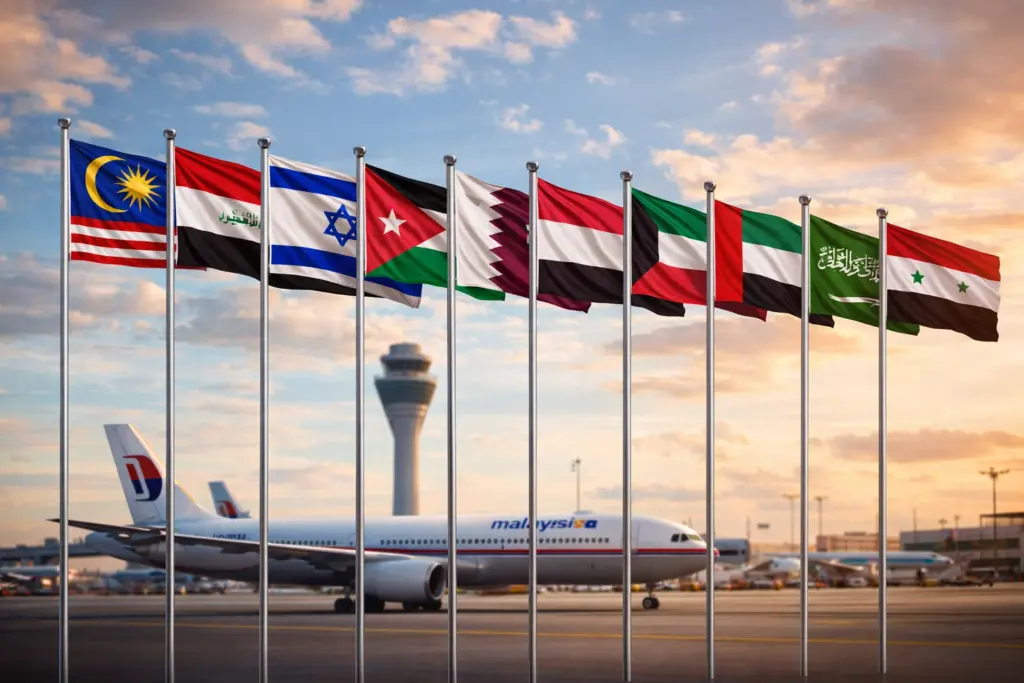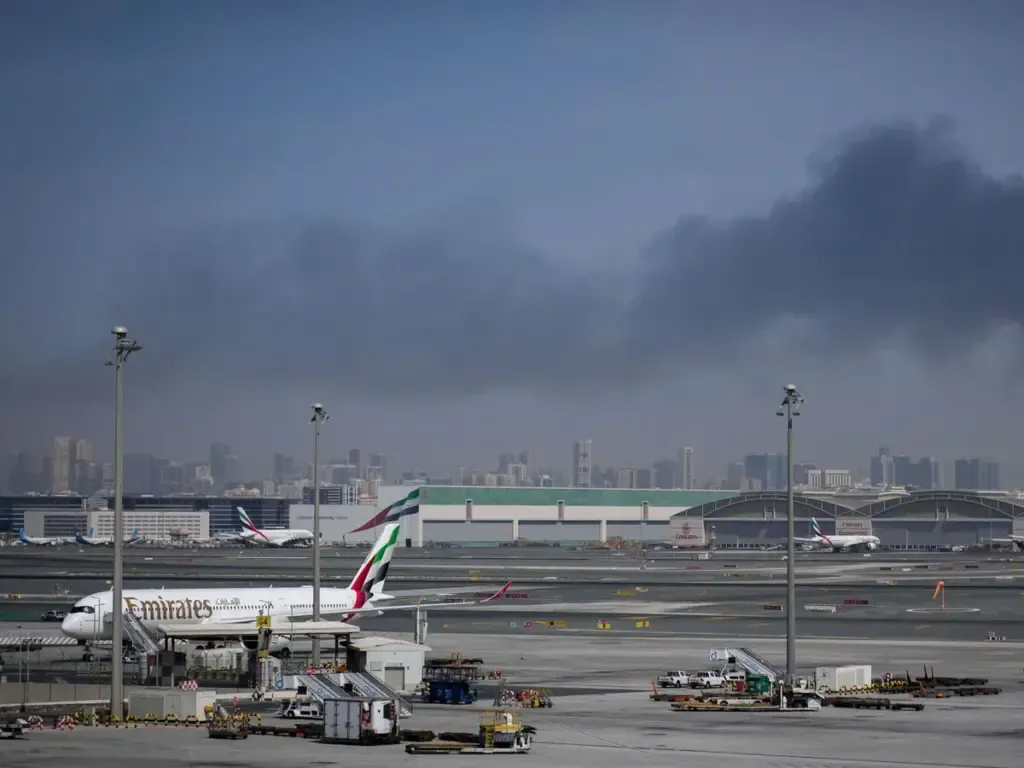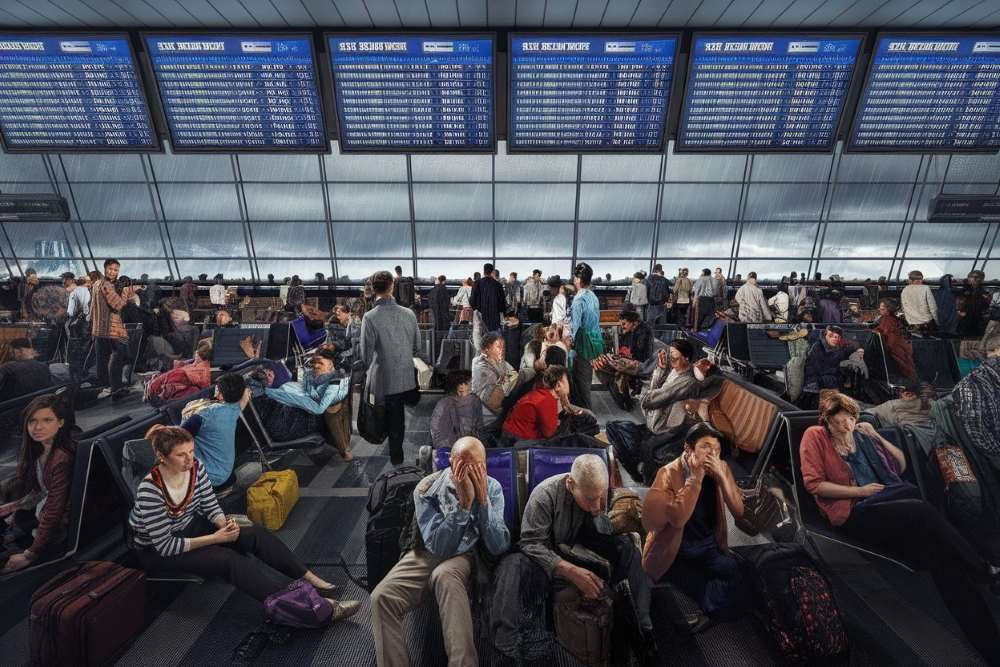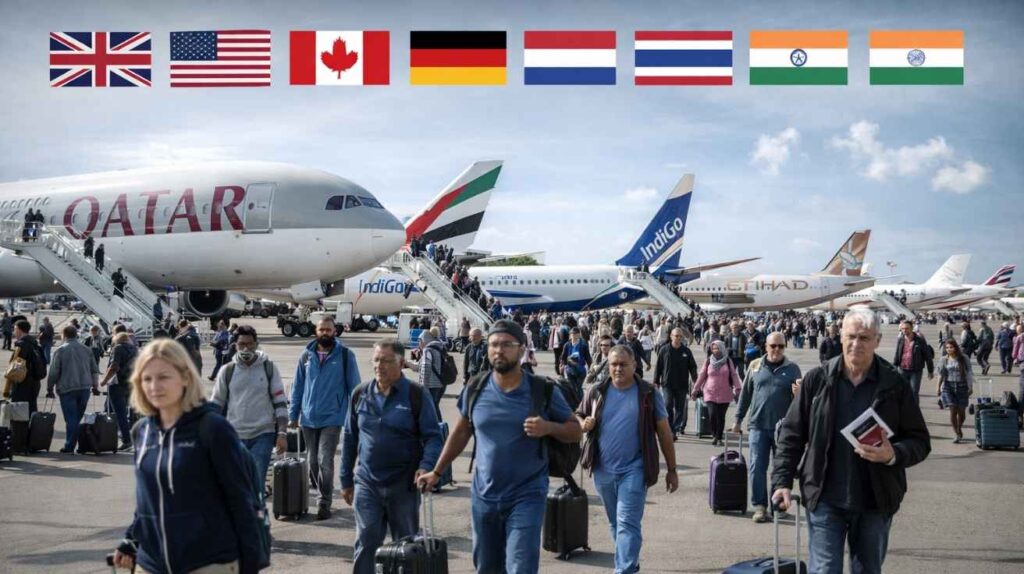
Rising geopolitical tensions and unstable airspace have made travel in the Middle East difficult, leaving thousands of travelers stuck at important Gulf transit hubs. In response, there has been an amazing show of international cooperation. Airlines and governments from all over the world, including the UK, US, Canada, Spain, Germany, the Netherlands, Thailand, India, and more, have come together to help people who are stuck in the region and bring them home. Here’s an update on how countries are working together to help travelers who are stuck get home and get international flights back on track.
The Crisis’s Cause: Global Tensions and Problems with Airspace
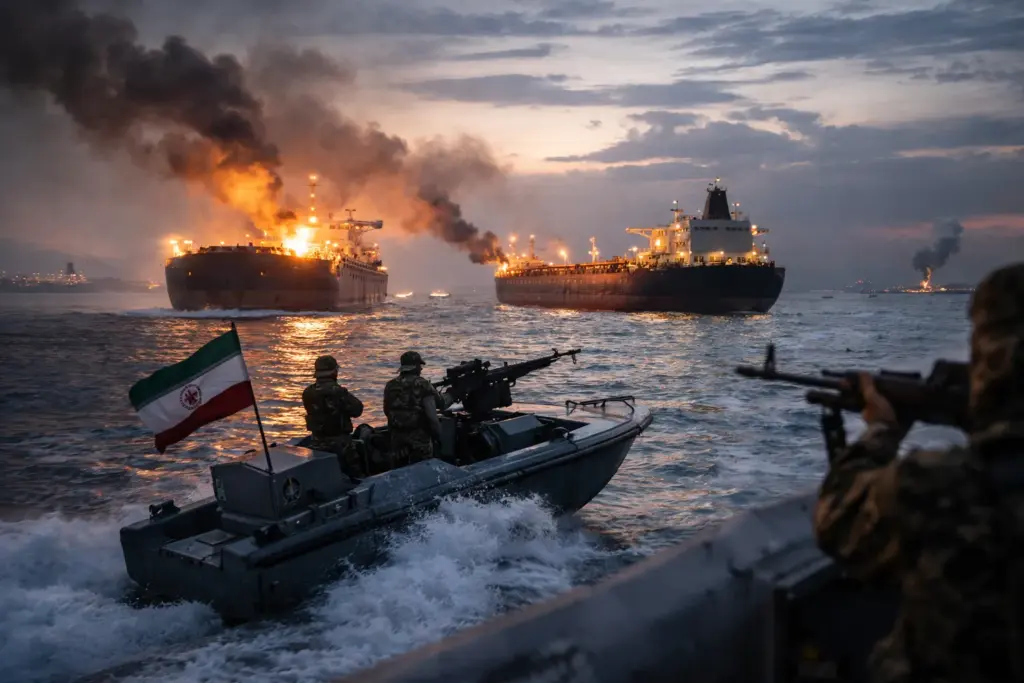
The crisis started when rising tensions in the Middle East forced several countries, including Saudi Arabia, the UAE, and Oman, to change their airspace rules and put limits on flights. These steps were taken for safety reasons as the geopolitical situation became more unstable, which made international flight routes very difficult to follow. Because of this, travelers who were on their way to places all over the world were stuck in airports and transit hubs all over the region and couldn’t continue their trips.
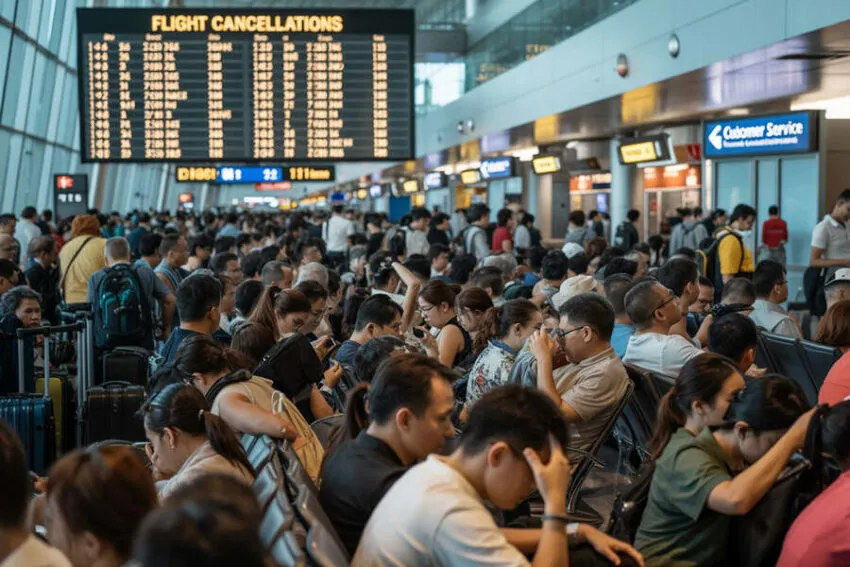
With tens of thousands of people stuck, airports in Dubai, Abu Dhabi, and Muscat became overcrowded holding areas where passengers had to wait for flights that were either late or canceled. It was clear that something needed to be done right away to make sure that travelers could safely and quickly return home and that global air travel networks could start to stabilize.
 New petrol price rule comes into force today as servos face $3,000 fines: ‘Cost of living shake-up
The International Response: Flights to bring people back home and emergency help
During the crisis, governments and airlines have worked together to make sure that stranded passengers get the help they need. Some of the main airlines that started repatriation flights were Qatar Airways, Emirates, Etihad Airways, and IndiGo. These flights moved thousands of people out of the affected areas and restored connections between the Middle East and major destinations around the world.
For example, on March 8, 2026, Qatar Airways was able to successfully run several long-haul flights, including arrivals from cities like London, Paris, Madrid, Rome, Frankfurt, and Bangkok. These flights landed at Hamad International Airport in Doha, showing that Qatar is still an important hub for connecting Europe and Asia through the Gulf region. Even though there was uncertainty in the airspace over the region, Qatar Airways kept its global network running and assured travelers that their connections were still working.
Flights home and help for travelers who are stuck
Emirates Airlines has kept up its full schedule of international departures from Dubai International Airport, along with Qatar Airways. Emirates, one of the most important airports in the world, made sure that important flights left for major cities in North America, Europe, Africa, and Asia. These flights were very important in getting stranded passengers home, from New York and Dallas to London, Paris, Frankfurt, and beyond.
Etihad Airways, which is based in Abu Dhabi, kept flights between the Gulf region and India going. These flights connected major cities like Mumbai, Hyderabad, and Abu Dhabi. Not only is this connection important for tourists and businesses, but it is also important for Indians who live and work in Gulf countries. IndiGo Airlines also expanded its international operations by adding flights that connected cities like Delhi, Bengaluru, Mumbai, and Hyderabad with places in Europe and the Middle East.
Humanitarian Measures: Hotels, Visa Extensions, and Help with Getting Around
As part of a coordinated effort to help travelers who were stuck, several countries, such as Sri Lanka, Turkey, Qatar, Bahrain, and Oman, took a number of emergency steps to give shelter, food, and legal help to people who were stuck in transit. For instance, travelers in the UAE were given free hotel rooms, and Sri Lanka and Oman offered visa extensions to make sure that international visitors wouldn’t have any legal problems while they waited for their flights to be rescheduled.
Also, Turkey and Qatar worked with transit hubs to make sure that transfers went smoothly and quickly, so that passengers didn’t have to wait any longer to get to their final destinations. These actions showed that people around the world were working together to help travelers during a crisis. Governments and airlines worked together to lessen the effects on travelers.
A Joint Effort: Bringing Back Global Air Travel
This amazing international cooperation has not only helped airports catch up on their work, but it has also shown how strong the global aviation network is during times of crisis. Even though geopolitical instability makes things harder, the cooperation between airlines, governments, and aviation authorities has shown that the world’s aviation infrastructure can quickly adapt and respond to emergencies.
Experts on defense policy in Brussels said that the geopolitical effects of such a crisis are big, since countries that control airspace and transport corridors have a lot of power over the movement of international travelers. But the successful repatriation flights and the quick mobilization of resources show that countries can work together to protect travelers’ interests and keep important air routes open, even when things are uncertain.
The Road Ahead: Making Air Travel Safer
The situation in the Middle East is still unstable, but the coordinated response to the crisis shows how important it is for global travel networks to be flexible and strong. As airspace stability gets better and diplomatic solutions are sought, international flights should slowly go back to normal.
In the meantime, the efforts to bring people back home are still going on. Passengers who are stuck in the area are being flown home on a series of special flights. This show of international support will likely set the standard for how to respond to similar crises in the future, making sure that travelers who are stuck can get the help they need to get home safely.
Conclusion: A Strong Example of Working Together Around the World
The travel crisis in the Middle East in 2026 showed how easily geopolitical events can affect international travel networks. But it has also shown how strong international cooperation and solidarity can be. Countries around the world have shown that they can respond with empathy and practical solutions during times of crisis, despite the difficulties. This has been done through repatriation flights, emergency accommodations, and diplomatic cooperation. This response to the crisis not only kept thousands of stranded travelers safe and healthy, but it also showed how important it is to take a global approach to travel problems.