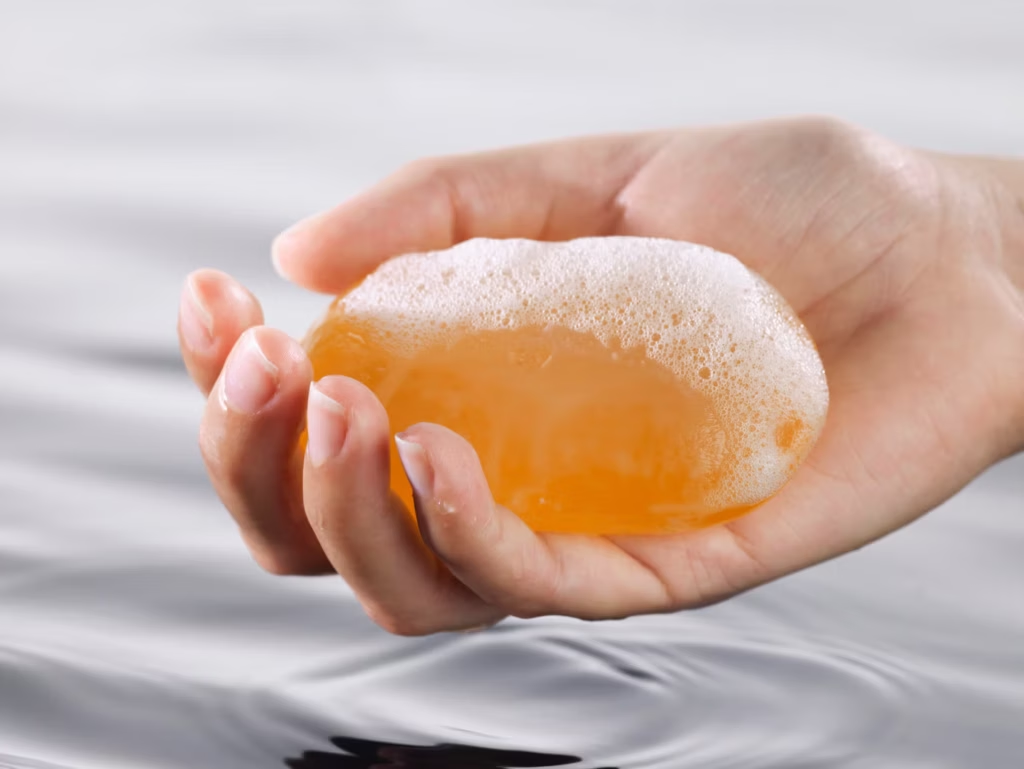
If you’re browsing beauty content on platforms like TikTok or Instagram Reels, chances are you’ve come across a bar of bright orange soap making waves. Promising skin-brightening results, these bars feature kojic acid, a trending ingredient in skincare. However, experts from the Good Housekeeping Institute Beauty, Health & Sustainability Lab caution that this popular product may not live up to expectations. Despite the buzz, kojic acid in soap form isn’t as effective as it’s made out to be. Here’s what you need to know about this ingredient and why you should reconsider using kojic acid soap in your skincare routine.
Understanding Kojic Acid and Its Role in Skin Brightening
Kojic acid, a well-known skin lightening agent, has gained popularity for its ability to reduce skin pigmentation. This organic compound is naturally found in certain fungi like Aspergillus oryzae, but it can also be synthetically produced through fermentation or chemical synthesis. Kojic acid works by inhibiting tyrosinase, an enzyme responsible for melanin production, which in turn can help with skin brightening, dark spots, and pigmentation issues. However, using kojic acid in soap form isn’t the most effective way to harness its full potential.
Why Kojic Acid Soap Doesn’t Live Up to Its Claims
Although kojic acid has proven brightening effects, using it in soap form may not yield the results you expect. First, the contact time with your skin is very short when using soap, as it is washed off almost immediately. This lack of proper absorption means that the kojic acid doesn’t have sufficient time to penetrate the skin and inhibit melanin production. Additionally, soap is difficult to apply precisely, limiting its effectiveness. When combined with water, kojic acid also loses its potency, especially in higher pH environments like soaps. For the best results, kojic acid should be applied in serums or creams where it can be properly absorbed and targeted at specific areas.
 Beauty Editors Test Merit Mascara On Three Lash Lengths To See If It Delivers Dramatic Results
Potential Risks of Using Kojic Acid Soap
While kojic acid itself is considered safe in low concentrations (up to 1%) in leave-on products, using it in soap may be problematic for some individuals, especially those with sensitive skin. Continuous use of kojic acid soap can lead to dryness, irritation, and redness. Moreover, kojic acid increases your skin’s sensitivity to UV rays, making you more vulnerable to sunburns. It’s crucial to wear sunscreen with at least SPF 30 daily if you’re using products with kojic acid. Thus, while it’s not inherently dangerous, kojic acid soap may cause discomfort or exacerbate existing skin issues, especially for those with sensitive skin.
Are There Any Benefits to Kojic Acid Soap?
Despite the drawbacks, kojic acid soap can still offer some benefits, but it’s not the kojic acid that is making the difference. Many kojic acid soaps contain additional exfoliating agents that help with skin renewal and acne prevention. These agents can contribute to smoother, brighter skin over time. However, if you’re looking for more noticeable results, it’s better to incorporate kojic acid into your skincare routine via serums, peels, or creams, where it has the time and environment to work more effectively.

What You Should Use Instead for Skin Brightening
If you’re still interested in brightening your skin, there are better alternatives than kojic acid soap. Products containing kojic acid, vitamin C, niacinamide, or arbutin are more effective when used in formulations like serums or creams. These products not only provide the right conditions for kojic acid to work, but they also contain other brightening ingredients that work synergistically. Results from these products typically take one to two weeks for mild improvements and up to 12 weeks for more significant changes. Always remember that skincare is a long-term commitment, and consistent use is key to seeing visible results.
| Product Type | Key Ingredient | Effectiveness | Recommended For |
|---|---|---|---|
| Serums | Kojic Acid, Vitamin C | High | Brightening, Pigmentation |
| Niacinamide Cream | Niacinamide | Moderate | Even Skin Tone |
| Exfoliating Soap | Exfoliants | Moderate | Acne-Prone Skin |
| Retinol Cream | Retinol | High | Skin Renewal |
In conclusion, while kojic acid has its place in skincare, it’s best used in the right form and environment, such as serums or creams. Avoid using kojic acid soap for skin brightening and instead opt for products that ensure better absorption and targeted action.