I’m tired of constantly chasing my roots,” she says quietly while looking at the faint silver line along her part. On the counter nearby sit bowls of dye shades — chestnut, espresso, iced mocha brown — arranged like a small chemistry set. Yet none of them feel right anymore. She doesn’t want hair that clearly looks colored. What she wants is something softer, something natural, something that blends rather than hides.
A stylist nods in understanding. Instead of mixing a permanent color formula, she pulls out a different palette filled with sheer glosses, translucent tones, and delicate highlighting techniques. There is no dramatic change and no long hours trapped in a chair. The goal is subtle refinement — allowing gray strands to melt into the overall color while gently brightening the face without making the hair look obviously dyed.
This shift represents the quiet decline of traditional heavy hair dye routines. A new philosophy has taken its place — one that is softer, smarter, and far kinder to aging hair.
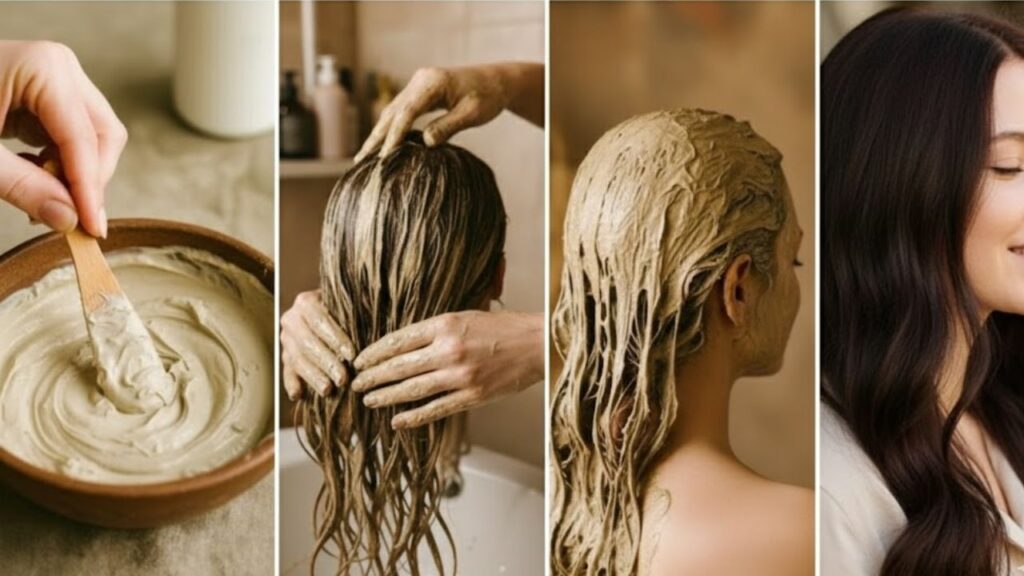
 Goodbye Hair Dye for Grey Hair: Add This Simple Ingredient to Conditioner for Natural Colour Revival
From Heavy Coverage to Soft Gray Blending
Walk into a modern salon today and you’ll hear one request repeated constantly: “I don’t want it to look dyed.” For many people the gray itself isn’t the problem. The real concern is that unnatural, solid block of color that looks flat and artificial under natural light.
The focus has now moved toward gray blending — a method that allows some natural silver to remain while carefully controlling how it appears. Instead of masking everything, stylists create a balanced mix of tones that make gray strands look intentional.
Modern coloring strategies often include:
• Sheer demi-permanent tints that soften bright silver
• Root shadow techniques that blur the transition between gray and colored hair
• Light-reflecting gloss treatments that restore shine
• Delicate highlights scattered throughout the hair
These techniques remove the harsh contrast between roots and colored lengths. The result is a smoother grow-out period, fewer salon visits, and hair that appears fresh rather than freshly colored.
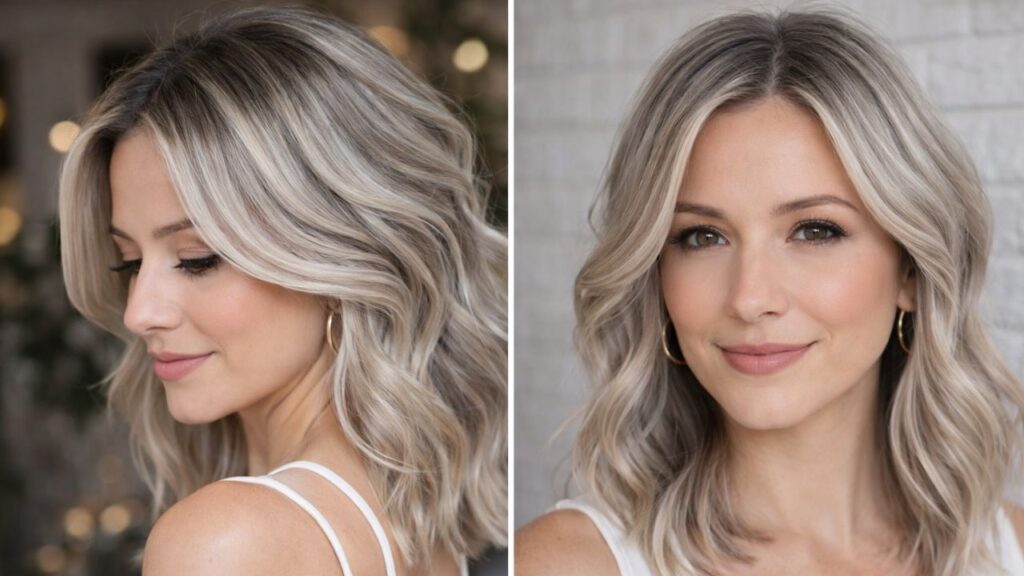
One client in a London salon experienced this shift firsthand. Karen, age 52, had been coloring her hair every three weeks because her roots appeared so quickly. Instead of applying full coverage dye again, her stylist suggested a softer approach: a mushroom-brown glaze paired with very fine highlights around the face.
Within two hours the harsh root line had disappeared. The silver strands blended naturally, almost like a sophisticated balayage effect. Eight weeks later the regrowth was barely noticeable. For the first time in years, Karen didn’t feel anxious about her next appointment.
She later admitted something surprising: the biggest change wasn’t the color — it was the relief of no longer fighting her natural hair.
Why Gray Blending Softens the Face
Traditional solid dye often frames the face with a dense, dark border. This can unintentionally emphasize fine lines, shadows under the eyes, and uneven skin tone. At the same time, bright white roots against dark dyed hair can draw attention directly to the scalp.
Gray blending works differently. By reducing contrast and adding gentle light around the face, the overall appearance becomes softer and more balanced.
Many stylists compare the technique to makeup contouring. Instead of removing gray hair completely, they work with it — placing light and shadow in ways that guide the eye. The result feels more natural and flattering.
The Modern Strategy for Youthful Gray Hair
The most popular technique today is simply known as gray blending. Instead of covering every strand with opaque color, the stylist works with smaller sections of hair.
A semi-transparent demi-permanent tone softens bright silver strands while subtle lowlights create dimension and depth. Around the face, very fine highlights — sometimes called baby lights — add brightness without making the hair appear streaky.
This approach also reduces the need for strict maintenance schedules. Because there is no solid line separating dyed hair from natural gray, salon visits can be spaced out to eight or even twelve weeks.
The key idea behind the look is intentional variation. Slight differences in tone and light create a natural finish that looks effortless yet polished.

Simple Hair Care for Healthy Gray
Maintenance for blended gray hair is surprisingly simple. A few small habits can keep the color looking fresh and intentional.
Recommended care routine:
• Use a purple or blue shampoo once a week to prevent yellow tones
• Apply a lightweight hair oil or shine serum to smooth coarse strands
• Protect hair with heat spray before blow-drying or styling
• Trim ends regularly to remove dryness and maintain shape
• Use temporary root powders or sprays for quick touch-ups before events
These small steps help gray hair appear healthy, bright, and controlled rather than dull or frizzy.
The Emotional Change Behind the Trend
The movement toward gray blending reflects more than just a coloring technique. It represents a change in how people think about aging.
Instead of focusing on hiding every white strand, the focus shifts to shine, movement, and texture. The question becomes less about looking younger and more about looking vibrant.
Paris-based colorist Lila Moreau describes the trend simply. Clients no longer ask her to erase gray completely. Instead they ask to look refreshed — like themselves on a well-rested day. Gray blending allows them to keep their natural color while softening its impact.
Common Mistakes That Ruin Gray Blending
Even with modern techniques, certain habits can undo the natural effect.
The most common mistakes include:
• Choosing very dark shades that create harsh contrast
• Using frequent permanent box dye that produces flat, heavy color
• Ignoring haircut shape and structure
• Overusing purple shampoo until hair looks dull
• Expecting one appointment to fix years of coloring damage
Avoiding these mistakes helps maintain the effortless, blended look.
A New Way of Thinking About Gray Hair
When people stop trying to erase every sign of gray, something interesting happens. They begin experimenting again with softer cuts, lighter tones near the face, and styles that enhance their natural texture.
Friends rarely comment on the gray itself. Instead they say things like “You look refreshed” or “You look great lately.”
This new mindset isn’t about rejecting hair color entirely. Some people still color their hair — they simply do it more gently. Others embrace their natural gray with just a shine gloss. Many choose a balanced middle ground.
Ultimately the deeper story is about choice. When gray hair is blended rather than hidden, aging feels less like a battle and more like a design process — shaping light, movement, and texture to create confidence that looks completely natural.
Key Takeaways
• Gray blending replaces full dye coverage with softer demi-permanent tones, lowlights, and delicate highlights.
• Maintenance becomes easier because harsh regrowth lines disappear.
• Simple hair care habits such as purple shampoo and shine products keep gray looking bright.
• The focus shifts from hiding age to enhancing natural texture and light.
• Blended gray offers a modern, natural, and lower-maintenance approach to hair color.