The body does not view muscle restoration after 55 as something different from muscle growth and strength. Your muscles will react to tension effort and repetition regardless of your age. When you keep pushing it consistently forward, it changes. The fundamentals remain the same, but the objective is slightly modified to include smart volume and execution and joint friendly movement patterns.
Compound exercises build strength and do the majority of the labour intensive strength work in that process. Lifts that target a single joint muscle group provide less stimulation per repetition than lifts that target multiple joints and muscles and large muscle groups. To move, stabilise, and generate force, they want your body to cooperate. In addition to improving balance and movement quality, that type of demand aids in muscle rebuilding and stability.
The majority of people are unaware of the significance of proper reps. If there are too few, the muscle won’t have enough time working hard. If there are too many, recuperation takes longer than exhaustion. As you age and your recovery time gradually changes, finding a good middle ground—8 to 12 repetitions per set is ideal—allows you to work out frequently without experiencing soreness.
Push-Ups
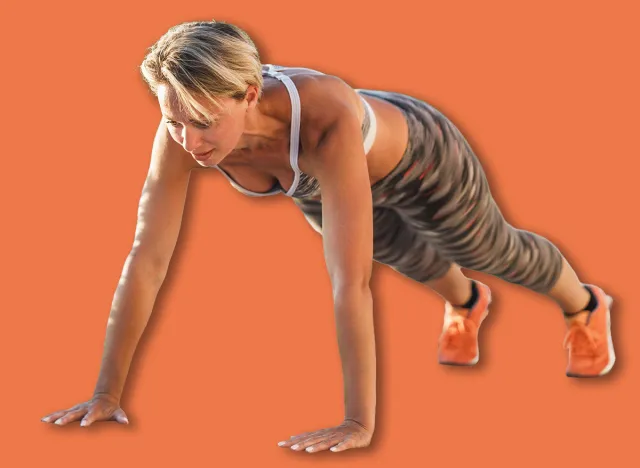
One of the greatest exercises for your upper body strength that you can perform anywhere is the push-up. They maintain constant core engagement while working on pressing strength. Each repetition improves trunk control and stability and shoulder stability posture, which benefits joint health and posture. Push-ups are excellent for daily practice routines because they are also simple to modify. They work much more than just the chest when done intentionally and correctly.
How to Do It
- Place your hands beneath your shoulders and perform a plank.
- Squeeze your butt and tighten your core.
- Carefully lower your body to the ground.
- Ensure that the angle of your elbows from your sides is comfortable.
- To start over, push the floor away.
Lunges
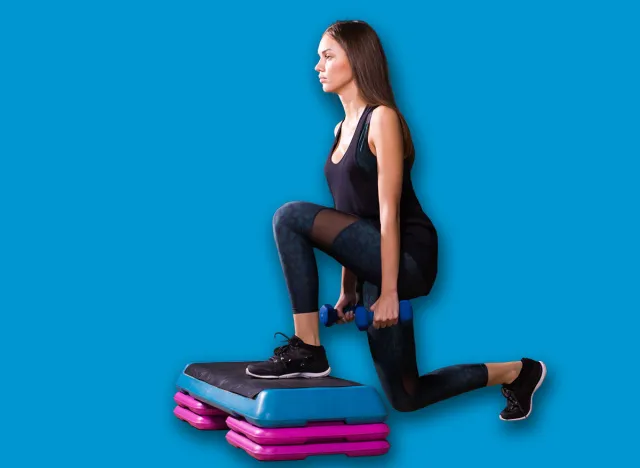
Lunges improve balance and joint control by exercising one leg at a time. They develop strength in balanced manner while also strengthening the hips and core muscles. Additionally, this motion resembles daily stepping activities like stepping and climbing. Lunges improve hip and knee flexibility when performed correctly. They are therefore an essential rebuilding exercise for rebuilding lower body muscle.
How to Do It
- Place your feet hip-width apart and stand upright.
- Place one foot ahead of the other.
- Lower your body until you can bend both knees with ease.
- Push through your front heel to stand back up.
- With every rep, switch sides.
Pull-ups
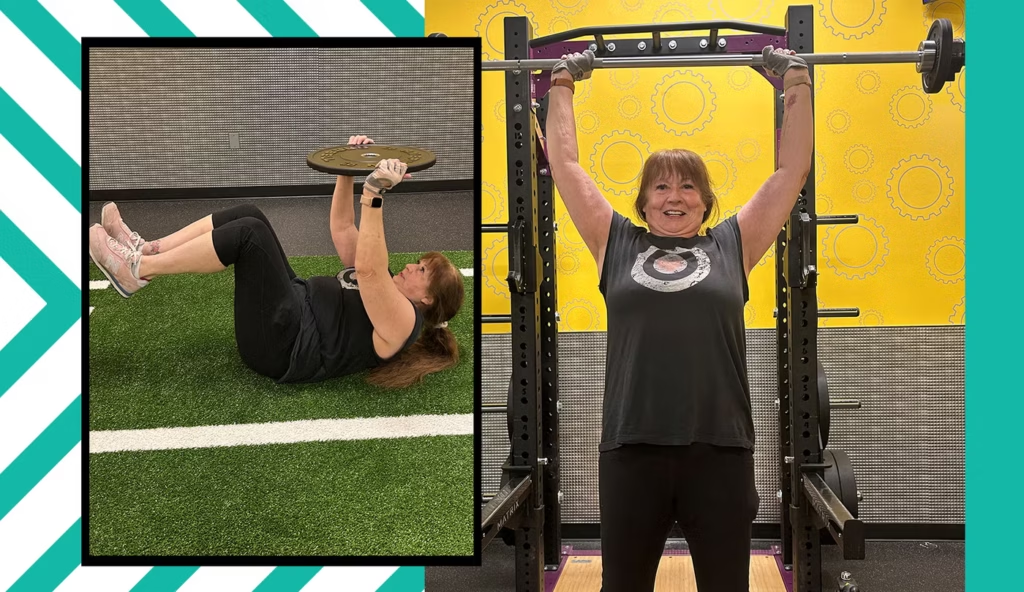
You can regain the pulling strength that fades with age by performing chin-ups. They improve shoulder function and strength and strengthen the arms and upper back. Even assisted versions offer a helpful stimulus for muscles healing. Additionally, chin-ups strengthen your grip strength daily, which is beneficial for daily tasks. There are many benefits to practicing them that go beyond physical appearances.
How to Do It
- With your palms facing you, grasp a bar.
- Tighten your shoulders as you hang.
- Draw your chest in the direction of the bar.
- At the top, pause for a moment.
- Lower yourself carefully.
Sets and Reps Suggested: Perform three to five sets of three to eight repetitions. Between each set, take a 90-second break.
 Home Remedies That Strengthen Hair Naturally Reduce Hair Loss and Improve Hair Thickness Over Time
Deadlifts
Hip and lower back strength can be restored with deadlifts. They protect your lower back by assisting you in lifting objects correctly. This exercise is efficient and effective because it works many different muscle groups simultaneously. Additionally, deadlifts strengthen your trunk and grip. When properly loaded, they promote muscle healing effectively without overstressing the muscles.
The glutes hamstrings lower back, and core muscles worked.
How to Do It
- Place your feet hip-width apart.
- Maintain a straight spine while bending at the hips.
- Grasp the weight firmly.
- To stand upright, press your heels into the floor.
- Reduce the weight in a deliberate manner.
Squats
Squats improve mobility and coordination while strengthening the lower body muscles. They work multiple joints and muscles simultaneously in a single movement. Because squatting makes it easier to sit stand and lift, it frequently helps people become more independent daily. Additionally, this exercise keeps your core stable under pressure. Even after 55, squats remain one of the most beneficial exercises you can perform on a daily basis.
How to Do It
- Your feet should be slightly wider than your hips when you stand.
- Raise and lower your hips.
- Maintain a straight chest as you descend.
- Push through your heels to stand up.
- Extend your hips completely at the top.
Suggested sets and repetitions: Perform three to four sets of eight to twelve repetitions. In between each set, take a 60-second break.
The Greatest Ways to Gain Muscle After 55 Shutterstock
Exercise on daily basis works best when it is paired with recovery and adjustment behaviours. One workout is insufficient to rebuild muscle completely. It gradually expands as a result of the wise daily decisions you make each day. Making long lasting progress is the aim.
- Protein intake muscle healing: To aid in the healing of your muscles, make an effort to consume protein at each meal.
- Reps quality controlled repetitions: Instead of using larger loads, concentrate on clean, controlled repetitions.
- How often you train: Daily short sessions are preferable to occasional long sessions.
- Routines for recovery mobility: Mobility exercises and light movement help maintain consistency.
- Patience and gradual progress: If you work hard for weeks rather than days, your muscles will slowly regenerate.