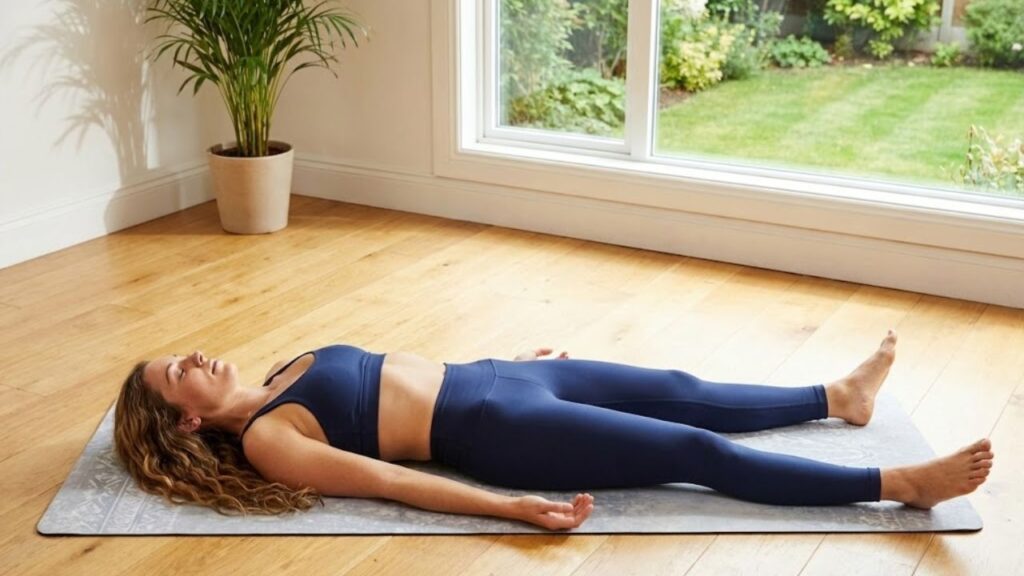
Increasing flexibility doesn’t require years of experience, uncomfortable postures, or excessive stretching. Flexibility develops best when the body feels safe, comfortable, and supported through consistent movement. Yoga is a great place for beginners to start because it incorporates mindful awareness, controlled breathing, and gentle stretching. These twelve simple yoga poses for novices encourage more fluid movement, improve joint mobility, and ease tense muscles without using force or strain.
Why Novices Seeking Flexibility Can Benefit from Yoga
Many beginners think they need to be flexible before they can start yoga, but flexibility is a result of practice rather than a prerequisite. Yoga improves flexibility by first relaxing the nervous system. As stress levels decrease, muscles cease to resist and begin to naturally lengthen. Gentle, repeated motions that also improve circulation and lubricate the joints support long-term mobility and comfort.
Try the Mountain Pose for More Postural Flexibility
Mountain pose develops body awareness and alignment. Standing tall with relaxed shoulders can lengthen the spine and reduce postural tension. This pose, though subtle, strengthens the body’s ability to sustain itself during daily activities, laying the foundation for flexibility.
 Home Remedies That Strengthen Hair Naturally Reduce Hair Loss and Improve Hair Thickness Over Time
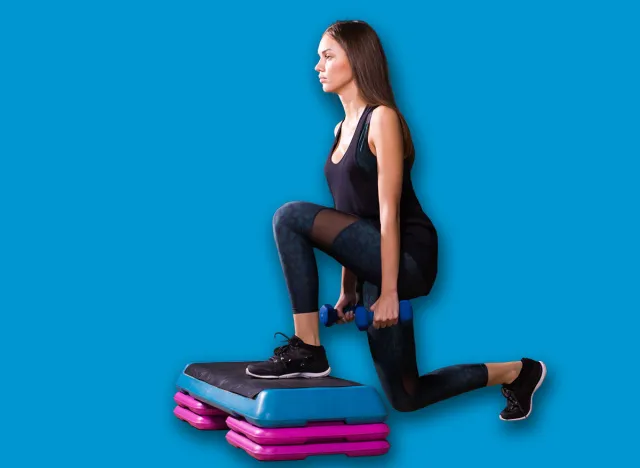
Low Lunge for Hip Flexor Mobility
Low lunges are especially beneficial for beginners who have tight hips from prolonged sitting. It gradually opens the front of the hips while strengthening the legs. Increased hip flexibility often leads to better posture and less lower back pain.
Cat-Cow Stretching to Encourage Spinal Motion
This slow, flowing sequence increases the flexibility of the spine from the neck to the lower back. Coordination of breathing and movement promotes safe, regulated body warming and eases shoulder and back stiffness.
Dog Facing Down (Easy to Learn)
This full-body stretch works the back, shoulders, hips, calves, and hamstrings. By keeping their knees bent and focusing on lengthening their spine, beginners can avoid straightening their legs.
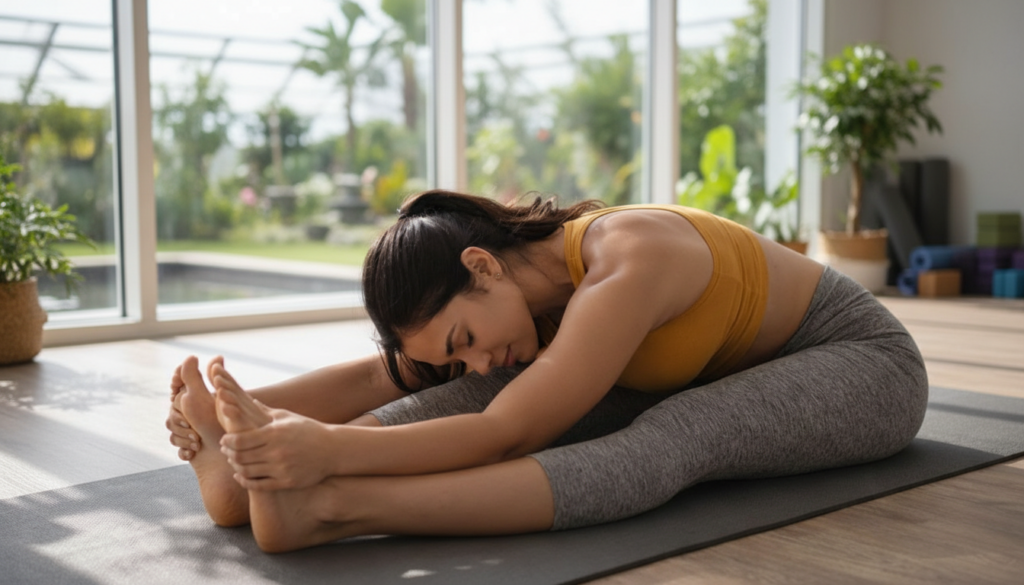
Mild Lengthening by Folding Forward While Seated
This sitting position stretches the hips, hamstrings, and lower back without overtaxing the joints. Its relaxed state encourages the muscles to gradually lengthen and soften.
Try the butterfly pose for inner hip flexibility.
Butterfly pose gently opens the inner thighs and groin, which are often tight in novices. Flexibility can be increased without discomfort by holding the pose while taking deep breaths.
Increasing Side Body Mobility by Twisting While Seated
Mild seated twists increase hip, waist, and spine flexibility. These movements aid in restoring natural rotation and releasing stiffness caused by poor posture.

Using the Supine Knee-to-Chest Pose to Reduce Lower Back Pain
The hips and lower back are gently stretched while the spine is decompressed in this reclining position. It’s ideal for beginners who get stiff from prolonged sitting.
Figure Four: Supine for the Outer Hip Opening
This simple hip opener relieves tension in the glutes and outer hips without overtaxing the joints. Increased hip mobility often makes daily movement easier.
For total relaxation, adopt a reclined bound angle pose.
Gravity gently opens the inner thighs and hips while the body remains fully supported in this healing pose. Easy increases in flexibility are encouraged by longer, more relaxed holds.
How Often Should Novices Practice?
Consistency is more crucial than intensity. Flexibility can be noticeably increased in a matter of weeks by performing these poses for 10 to 20 minutes, four to six days a week. Gentle daily practice yields the best results.
Common Flexibility Mistakes Beginners Should Avoid
Forcing stretches, holding your breath, or comparing your progress to that of others can all slow down improvement. When breathing is steady and movements are slow and comfortable, flexibility develops most quickly.
Natural Flexibility’s Advantages for Daily Life
Daily activities like walking, bending, reaching, and sleeping get easier as flexibility increases. Less stiffness promotes better posture, fewer aches, and increased energy throughout the day.
To sum up
You don’t have to push yourself to become flexible; all you need is patience, breath, and consistency. These twelve simple yoga poses for novices provide a safe, natural method to improve joint health, relax the mind, and increase flexibility. With regular practice, the body gradually lengthens, opens, and moves more easily and comfortably.