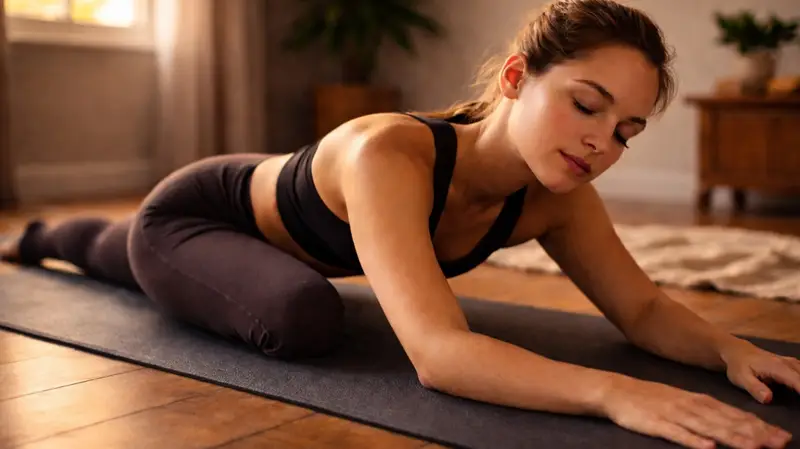
The first sign often isn’t the stretch — it’s the quiet message your hips have been sending for years. A small hint of stiffness when you stand after sitting too long. A slight pull when you hurry for a bus, bend to tie your shoes, or get out of bed. Tight hips rarely make loud complaints; instead, they slowly shrink your range of movement — shorter steps, cautious turns, and limited mobility. One day, even reaching the back seat of your car feels unexpectedly difficult. Somewhere in the rhythm of everyday life, your body forgets how effortless movement once felt.
The Quiet Role of Your Hips in Everyday Movement
Take a moment to watch people walking along a busy road or a peaceful park path. The hips quietly power every step we take. They help us move through subway stations, grocery stores, hiking trails, and yoga studios. Yet most of us treat them like an ignored corner of the body — tight, overlooked, and slightly restricted.
Modern lifestyles revolve around sitting — at office desks, in cars, on sofas, and while leaning over phones or laptops. Long hours of sitting shorten the hip flexors, the muscles located at the front of the hips and thighs. Meanwhile, the glutes — the strong muscles behind the hips — gradually become less active. Over time, this pattern becomes normal for the body. Hips grow stiff, the lower back begins to compensate, and the knees and ankles carry extra strain.
 4 Evening Yoga Poses That Release Tight Hips Reduce Lower Body Tension and Improve Night Relaxation
Yoga, when practiced slowly and mindfully, feels like opening windows in a closed room. It isn’t about forcing extreme stretches but about creating a gentle conversation with the body: What sensations appear here? How does the breath influence this movement? Can the body soften gradually?
The poses below are not about pushing limits. They aim to restore natural space in the hips — helping you walk comfortably, sit without tension, and move with greater confidence in your body.
Gentle Warm-Up: Awakening the Hips
Cat–Cow with Pelvic Awareness
Begin on hands and knees with shoulders aligned above wrists and hips above knees. As you inhale, soften the belly, lift the chest, and tilt the tailbone upward. As you exhale, round the spine and gently tuck the tailbone. Repeat this movement slowly for about 8–10 rounds, noticing how the pelvis rocks forward and backward. This motion lubricates the hip joints and builds awareness at the base of the spine.
Rocking Child’s Pose
From hands and knees, lower the hips toward the heels into Child’s Pose with knees slightly apart. Then slowly rock forward into a gentle kneeling plank and move back again. Keep the movement smooth and the breath steady. This motion softly invites mobility into the hips while relaxing the lower back.
Standing Poses That Strengthen and Open the Hips
Warrior II (Virabhadrasana II)
Step your feet wide apart. Turn the right toes forward and the left slightly inward. Bend the right knee so it stacks above the ankle while the left leg stays strong. Extend both arms outward. This posture activates the outer hips while lengthening the inner thighs.
Extended Side Angle (Utthita Parsvakonasana)
From Warrior II, place your forearm on the front thigh or hand near the front foot. Extend the opposite arm overhead. The front hip deepens into a stretch while the back leg remains firm and supportive.
Triangle Pose (Trikonasana)
Straighten the front leg. Hinge at the hip and place your hand on the shin, a yoga block, or the floor. One hip folds inward while the other rotates open. The outer hips and hamstrings lengthen with controlled stability.
Ground-Level Poses for Deeper Hip Release
Lizard Pose (Utthan Pristhasana)
From a low lunge, lower the back knee to the floor. Move the front foot slightly wider and place both hands inside the foot. Remain upright or lower onto the forearms. This creates a strong stretch across the hip flexors and inner thighs.
Low Lunge (Anjaneyasana)
Lift the torso upright from the lunge position. Gently tuck the pelvis and feel the stretch along the front hip and thigh. Focus more on alignment than depth.
 9-Second Visual Challenge Test Sharp Eyes by Finding 3 Differences in the Boy Skiing Scene
Pigeon Pose (Eka Pada Rajakapotasana – variation)
Bring one knee forward while extending the opposite leg straight behind. Stay upright or fold forward slowly. This pose deeply stretches the outer hip and glutes. Modify the position if the knees feel uncomfortable.
Reclined Figure Four
Lie on your back and cross one ankle over the opposite thigh. Hold behind the supporting leg and gently draw it toward your chest. This pose offers a supported version of Pigeon with greater control.
Slow Floor Poses for Relaxation and Release
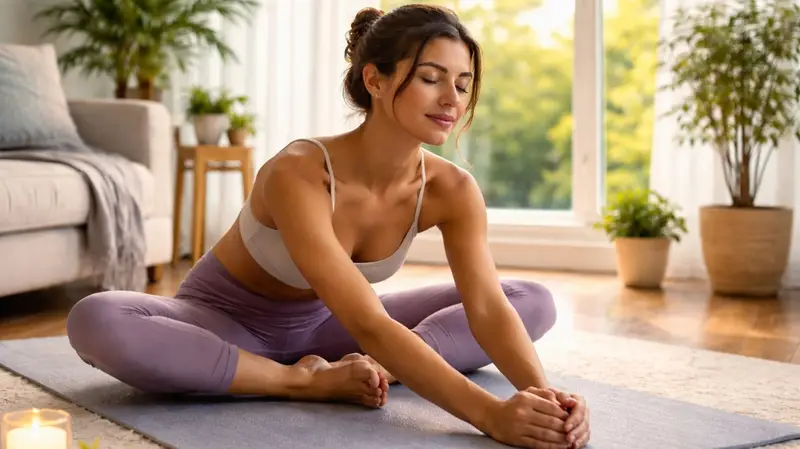
Bound Angle Pose (Baddha Konasana)
Sit upright and bring the soles of the feet together while allowing the knees to fall open. Remain upright or hinge slightly forward. Over time, the inner thighs and groin gradually release tension.
Wide-Legged Seated Forward Fold (Upavistha Konasana)
Extend the legs wide in a V-shape. Walk the hands forward while maintaining a long spine. This movement steadily lengthens the inner thighs and hamstrings.
Happy Baby Pose (Ananda Balasana)
Lie on your back and hold the outer edges of your feet or your shins. Allow the knees to spread wide. This pose creates deep hip flexion and a gentle stretch in the lower back. You may rock side to side for additional comfort.
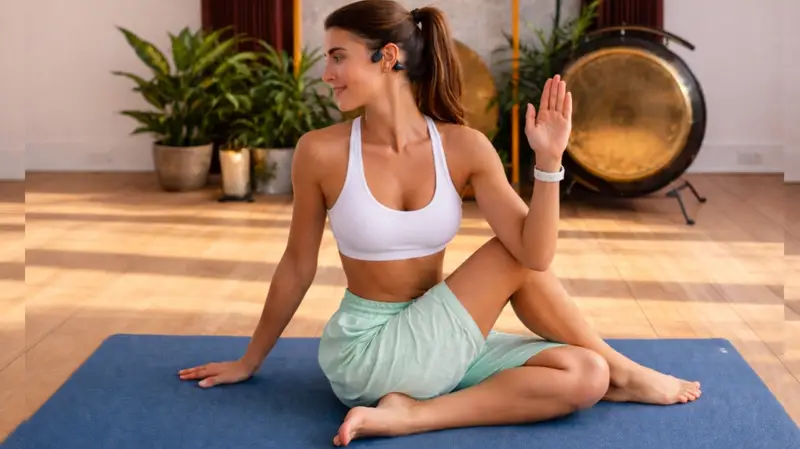
Reclined Twist (Supta Matsyendrasana – gentle variation)
Allow one knee to drop across the body while the opposite arm extends outward. This twist releases the outer hip and lower back, bringing balance to the sequence.
Fourteen Hip-Opening Yoga Poses Overview
| Pose | Primary Hip Focus | Intensity Level |
|---|---|---|
| Cat–Cow with Pelvic Awareness | Pelvic mobility and lower back | Very Mild |
| Rocking Child’s Pose | Hip flexion and lower back release | Very Mild |
| Warrior II | Outer hips and inner thighs | Moderate |
| Extended Side Angle | Front hip and groin stretch | Moderate to Strong |
| Triangle Pose | Outer hips and hamstrings | Moderate |
| Lizard Pose | Hip flexors and inner thighs | Strong |
| Low Lunge | Front hip and quadriceps | Mild to Moderate |
| Pigeon Pose | Outer hip and deep glutes | Moderate to Strong |
| Reclined Figure Four | Outer hip and piriformis | Mild to Moderate |
| Bound Angle Pose | Inner thighs and groin | Mild to Moderate |
| Wide-Legged Seated Forward Fold | Inner thighs and hamstrings | Moderate to Strong |
| Happy Baby Pose | Hip flexion and outer hips | Mild |
| Reclined Twist | Outer hip and lower back | Mild |
| Child’s Pose | Hips and lower back relaxation | Very Mild |
Creating a Simple Hip-Opening Routine
You do not need long yoga sessions to improve hip mobility. Consistency is more important than duration. A short sequence practiced regularly can gradually restore flexibility and comfort.
Cat–Cow for 1–2 minutes
Rocking Child’s Pose for 1–2 minutes
Warrior II followed by Extended Side Angle on both sides
Triangle Pose on both sides
Lizard Pose or Low Lunge
Pigeon Pose or Reclined Figure Four
Bound Angle Pose
Finish with Happy Baby and a gentle Reclined Twist
Understanding What Your Hips Are Communicating
Hips often store tension created by long sitting hours, stress, and daily habits. When these areas begin to release, people sometimes feel deep physical relief or even emotional relaxation. This response is natural.
Real improvement usually appears quietly — standing without back discomfort, climbing stairs with ease, or sitting cross-legged comfortably again. Mobility is not about forcing your body into extreme shapes. It is about gradually rediscovering the sense of ease that once felt natural in your own body.